
Design Ideas for Compact South Waterfront & Pearl District Kitchens
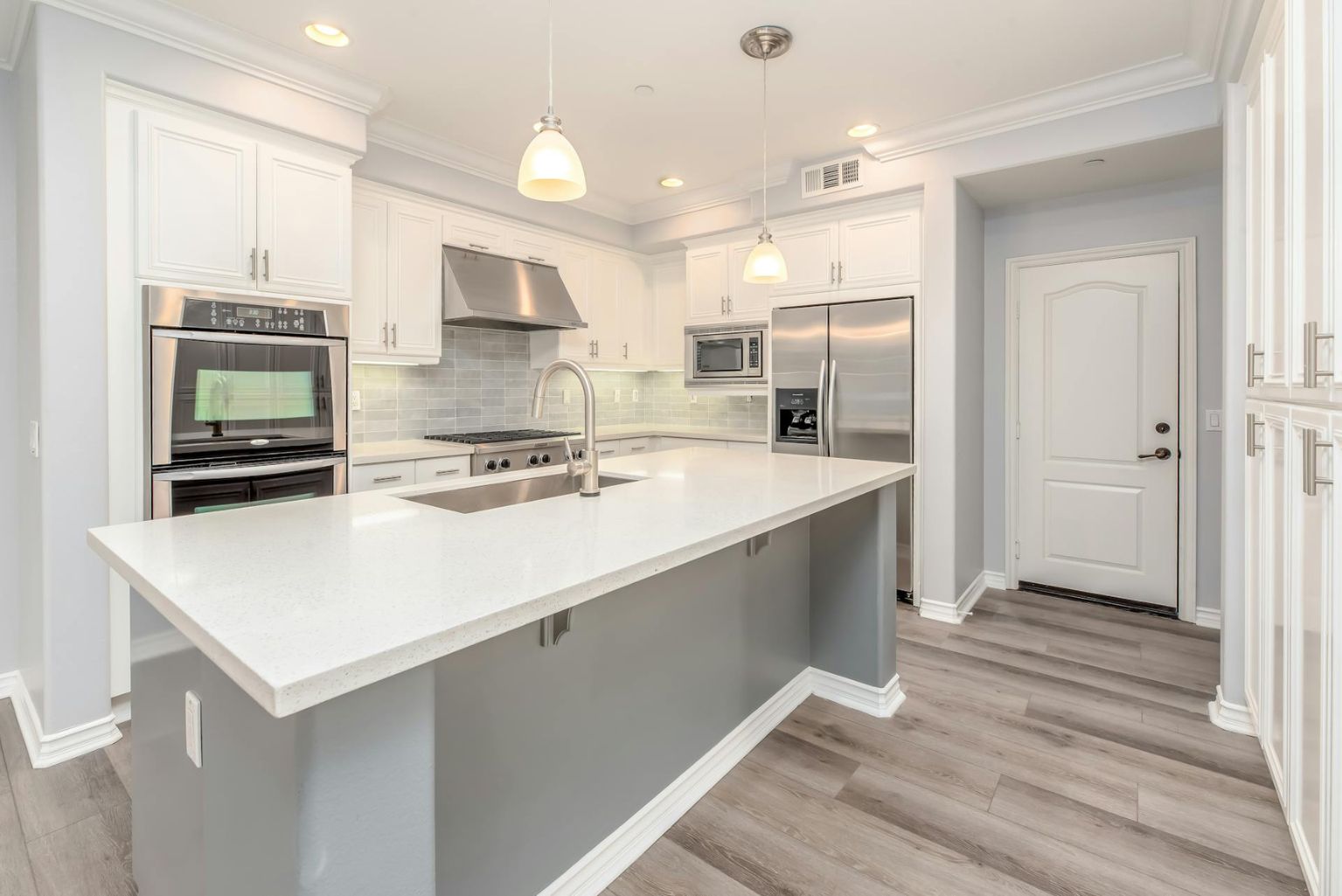
Kitchens in Portland’s South Waterfront and Pearl District often reflect the modern, urban lifestyle of the neighborhoods—sleek spaces with great views but limited square footage. Because many homes here are condos or townhomes, every inch matters. With a thoughtful design approach, even the smallest kitchen can feel open, efficient, and stylish. Below are practical ideas that work especially well in these high-density, design-forward communities.
1. Maximize Vertical Space Whenever Possible
Small kitchens benefit tremendously from going “up” instead of “out.” Full-height cabinets not only add storage but also create a clean, contemporary look that fits the area’s architecture. If full-height cabinetry feels too closed in, you can mix styles—using closed cabinets on the bottom and open shelving above. This creates storage without making the room feel heavy.
Slim pull-out pantries, spice towers, and wall-mounted rail systems are also smart choices for keeping essentials accessible without cluttering counters.
2. Choose a Light and Bright Color Scheme
Homes in the South Waterfront and Pearl District often feature big windows with beautiful city or river backdrops. To take advantage of that natural light, lighter cabinet colors—white, light oak, pale gray, or soft beige—help open up the space visually.
These smaller kitchens also benefit from matte finishes or soft sheens that won’t overpower the room. When paired with reflective surfaces like quartz countertops or a glossy backsplash, the entire area feels more open.
3. Lean into Compact, High-Efficiency Appliances
Condos often come with space constraints, so choosing right-sized appliances can be a game-changer. Many homeowners upgrade to compact European-style dishwashers or a 24-inch fridge that still offers generous storage without taking up unnecessary room.
Induction cooktops are another popular option—sleek, energy-efficient, and they allow the counter to visually blend into the rest of the kitchen when not in use.
4. Add Materials That Make the Room Feel Larger
In tight urban kitchens, materials can shape the entire perception of space. Items like:
- mirrored or glass cabinet doors
- a single-slab backsplash
- large-format floor tiles
- under-cabinet LED lighting
help stretch the room visually and brighten work surfaces. Even small touches—like choosing cabinet hardware that blends with the cabinetry—keep the kitchen looking seamless.
5. Prioritize Interior Storage Organization
Good storage isn’t just about the outside of the cabinets—what’s inside matters just as much. Thoughtful organizers such as:
- deep drawer dividers
- hidden recycling pull-outs
- vertical tray storage for baking sheets
- corner turntables
- toe-kick drawers
can drastically increase usable space. When every item has a designated spot, the kitchen stays cleaner and more enjoyable to use.
6. Consider an Island Alternative
Not all compact kitchens can fit a traditional island, but other options can still add prep space and seating. A slim peninsula, drop-leaf counter, or even a small rolling island can offer flexibility without making the kitchen feel cramped.
In narrow spaces, a waterfall countertop on one side can provide a stylish anchor point while keeping the overall footprint visually light.
7. Keep the Design Clean and Modern
The Pearl District and South Waterfront are known for their modern architecture, and kitchens here tend to follow the same style. Flat-panel cabinets, integrated appliances, and minimal hardware help maintain that streamlined look.
Under-cabinet lighting is especially popular because it adds both function and ambiance without taking up space.
8. Make the Kitchen Feel Like Part of the Living Space
Because many condos have open layouts, blending the kitchen with the dining and living areas can make the whole home feel larger. Using similar flooring, matching wood tones, or coordinating color palettes helps create a connected look.
Some homeowners even choose to hide appliances behind paneling so the kitchen feels more like an extension of the living space.
9. Customize the Layout Around Your Daily Routine
Small kitchens work best when designed around real habits. For example:
- Coffee lovers might add a dedicated nook with shelving for mugs and supplies.
- Home cooks might prioritize easy-to-reach spices, prep space, and deep drawers for pots.
- Minimalists might choose concealed storage to keep everything out of sight.
In compact layouts, these small choices often make the biggest difference.