
Neighborhood Architectural Rules in Lake Oswego: What Remodelers Should Know
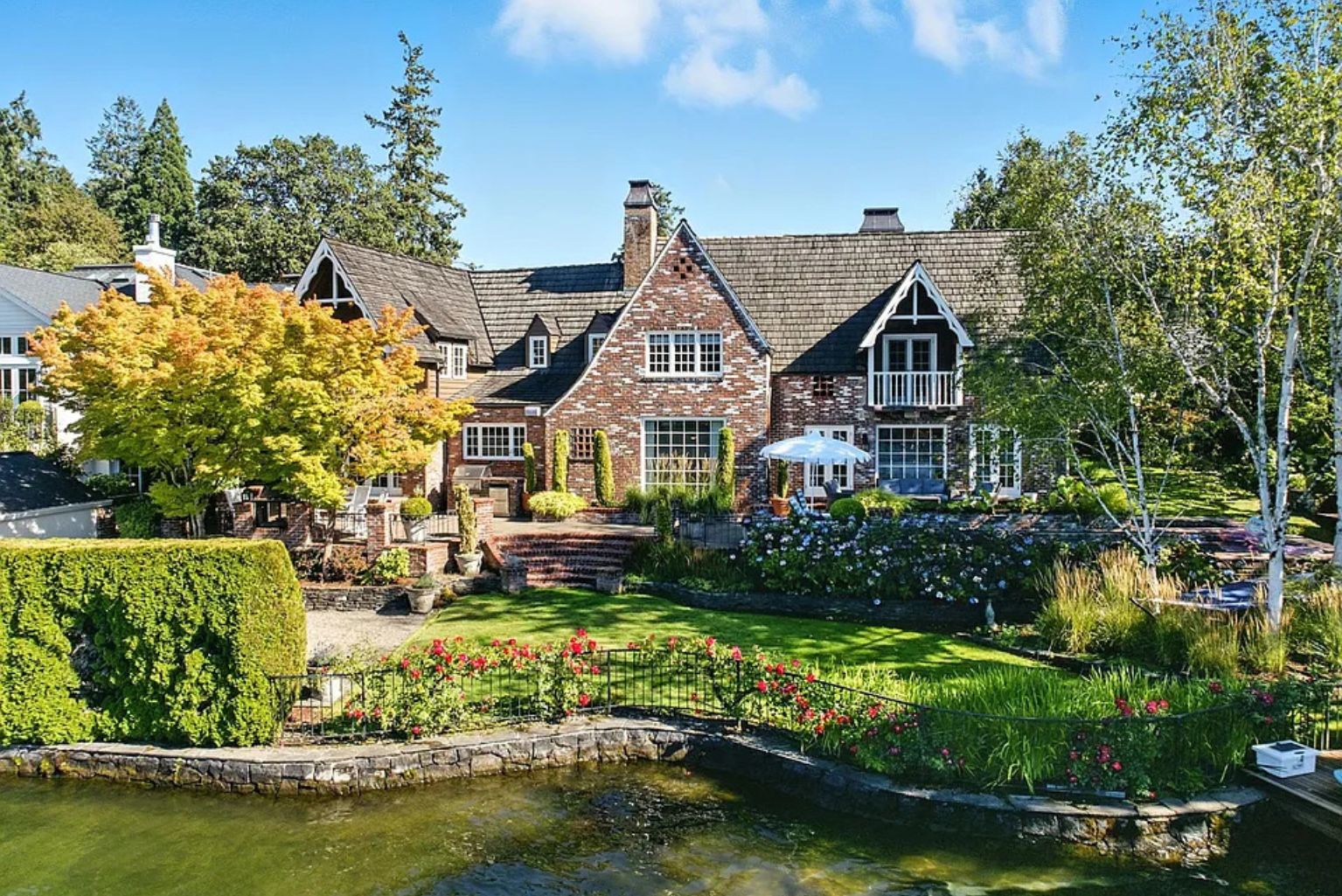
Remodeling a home in Lake Oswego comes with a unique set of opportunities—and just as many rules. The city is known for its carefully maintained neighborhoods, tree-lined streets, and a strong sense of community pride. Because of this, many areas fall under specific architectural guidelines that influence what homeowners can and can’t do during a renovation.
If you’re planning a remodel, here are the key points to understand before you start swinging hammers.
1. Know Whether Your Home Is in a Special Design District
Lake Oswego has several neighborhoods with their own architectural standards, such as:
- Lake Grove Village Center
- Old Town
- First Addition
- Foothills
- Long Range Neighborhood Plans tied to specific HOAs
These districts may limit exterior materials, window style, rooflines, front-yard setbacks, or even the type of fencing you can use. Before planning anything major—especially a second story or exterior redesign—check your property’s district rules.
2. HOAs Often Add Another Layer of Approval
Even if you meet city requirements, Homeowners Associations can have their own stricter rules. They might regulate:
- Paint colors
- Driveway finishes
- Front porch size
- Garage placement
- Landscaping or trees that can be removed
Always get written approval from your HOA first. A permit from the city won’t override HOA rules.
3. Height Limits and Massing Rules Are Serious
Lake Oswego works hard to protect neighborhood views, privacy, and natural light. Because of that, remodelers need to consider:
- Maximum building heights
- Side-yard and rear-yard setbacks
- Restrictions on how close a second story can sit to a property line
- Requirements to “step back” upper floors
If your remodel changes the roof shape or adds square footage vertically, expect the city to review it carefully.
4. Exterior Materials Need to Fit the Neighborhood Style
Traditional neighborhoods like First Addition have a style that leans toward:
- Wood or fiber-cement siding
- Simple window trim
- Gabled roofs
- Neutral color palettes
More contemporary neighborhoods may allow metal, large glass panels, or flat roofs—but not all. Matching the general look of surrounding homes helps speed up approvals and avoid costly revisions.
5. Tree Protection Rules Are Extremely Strict
Lake Oswego is known for its mature trees, and the city protects them heavily. When remodeling:
- You must apply for a permit to remove many types of trees
- Construction cannot damage a tree’s root zone
- Protective fencing may be required during work
Many remodel timelines get delayed due to tree-related constraints, so factor this in early.
6. Historic Properties Require Extra Steps
If your home is listed—or sits near a listed property—you may need additional review through the Historic Resources Advisory Board. They look at:
- Exterior changes
- Window replacements
- Additions
- Any alterations visible from the street
The goal is to preserve the neighborhood’s character while still allowing modern improvements.
7. Start Early & Communicate with the City
Lake Oswego’s Planning & Building Department is known for being thorough. Starting early and reviewing your plans with them can prevent delays. Many homeowners appreciate that the city’s careful oversight helps keep property values strong.
Final Thoughts
Lake Oswego’s architectural rules may feel strict at first, but they’re designed to protect the charm, consistency, and long-term appeal of the community. With the right planning—and a contractor familiar with local guidelines—your remodel can move smoothly while enhancing both your home and the neighborhood around it.