
Kitchen Layout Trends That Work Best for Portland and Beaverton Homes
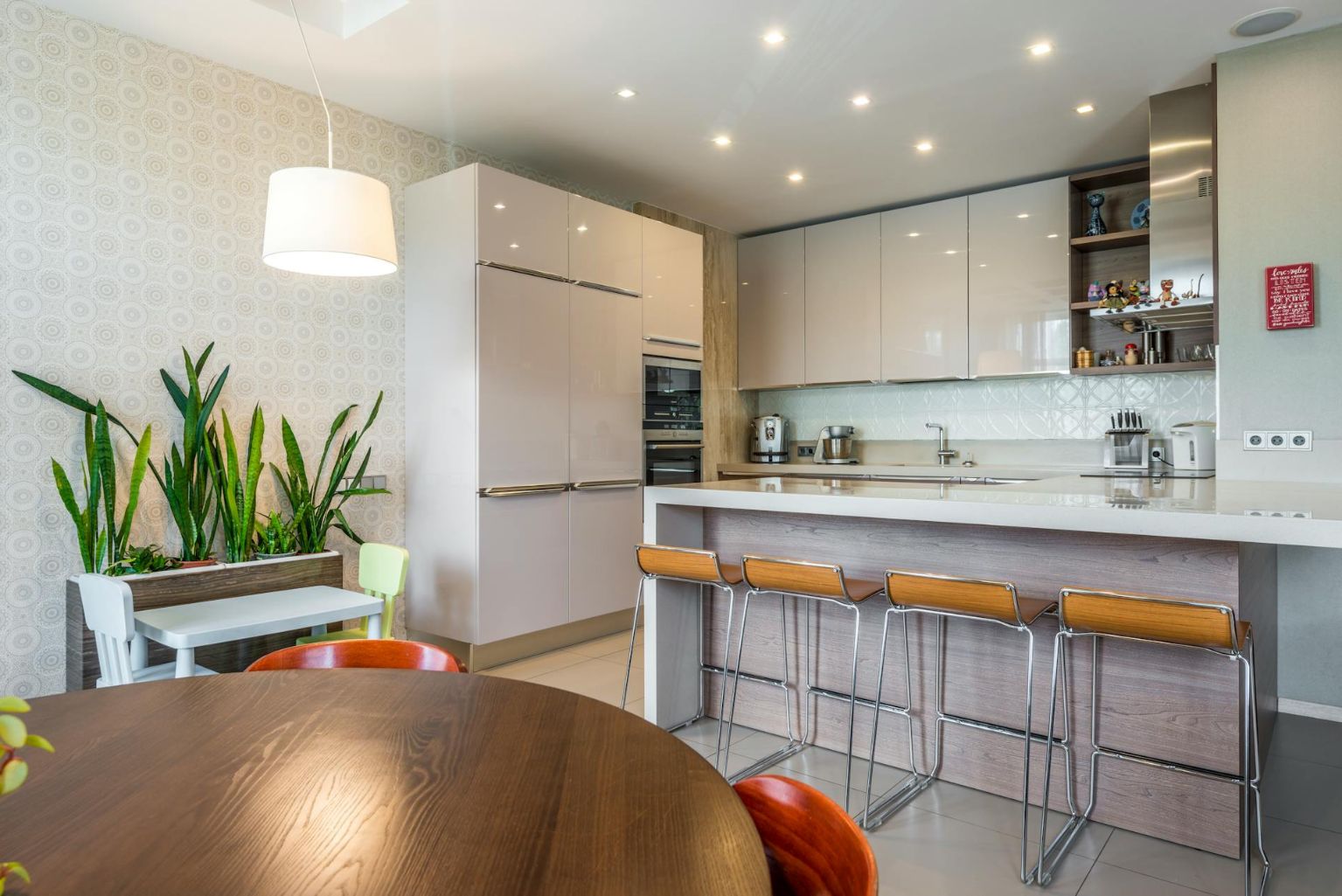
In the Pacific Northwest, we spend a lot of time indoors during the “Big Dark” (those eight months of gray and rain). Because of this, our kitchen layouts in 2026 have moved away from the cold, industrial “showroom” look and toward something designers are calling Warm Functionalism.
Whether you are in a classic 1920s bungalow in Laurelhurst or a sprawling 90s suburban home in Beaverton, here are the layout trends that actually work for our lifestyle.
1. The “Working Triangle” is now the “Working Zone”
For decades, the sink-stove-fridge triangle was the gold standard. But in Portland’s multi-generational or dual-income households, one triangle isn’t enough because two people are often cooking at once.
- The Trend: Designing by Zones. You have a “Prep Zone” (large counter space near the trash and sink), a “Cooking Zone” (stove and spice storage), and a “Social Zone” (the island or peninsula).
- Why it works here: This prevents the “butt-bump” in smaller kitchens. If you’re in a narrow Irvington kitchen, zoning allows one person to make coffee or toast without crossing the path of the person at the stove.
2. The Return of the “Modified Galley”
In many older homes in Southeast Portland, the kitchen is a long, narrow corridor. For years, people tried to tear down every wall to make it “Open Concept.” In 2026, we’re seeing a reversal.
- The Trend: Keeping the galley walls but adding a “Pass-Through” window or a breakfast bar at one end.
- Why it works here: Open-concept kitchens are loud and smell like bacon for three days. A modified galley keeps the mess contained while the pass-through keeps the cook connected to the living room. It preserves the architectural “soul” of the house while feeling modern.
3. The “Scullery” (or The Messy Kitchen)
In larger Beaverton homes—especially near Progress Ridge or the West Hills—the “Scullery” has become the must-have of 2026.
- The Trend: A walk-in pantry that is essentially a secondary kitchen. It houses the noisy dishwasher, the bulky air fryer, and the coffee station.
- Why it works here: Portlanders love their small appliances (espresso machines, dehydrators, mixers). A scullery allows your main kitchen to stay minimalist and “warm”—often featuring open wood shelving and art—while the clutter stays behind a pocket door.
4. The “Social Island” (No Sink, No Stove)
For a while, every island had a sink or a cooktop. Now, the trend is the “Furniture-Style Island.”
- The Trend: A completely clear, flat surface with legs that look like a piece of furniture rather than a block of cabinets.
- Why it works here: Because of our weather, the kitchen island is the default “everything” spot—homework, remote work, and sourdough prep. A clear island is more versatile for the “work from home” crowd that is so prevalent in the Silicon Forest.
5. Multi-Height Countertops
As Portland homes adapt for aging-in-place or multi-generational living, “standard” 36-inch counters are no longer the only option.
- The Trend: Incorporating a section of the island or a side counter at 30-inch height (table height) or 42-inch height (bar height).
- Why it works here: Lower sections allow kids to help with prep or grandparents to sit comfortably while chopping vegetables. It’s a subtle “Universal Design” move that looks like a deliberate architectural choice rather than a medical necessity.
The “Oregon” Aesthetic Tip:
To make these layouts feel authentic to the PNW, 2026 is all about Natural Wood Cabinets (oak and walnut are beating out white paint) paired with Zellige tile backsplashes. The goal is “tactile”—you want the kitchen to feel like it was built by hand, not rolled off a factory line.