
Essential Spring Maintenance and Remodeling Prep for Historic Portland Bungalows
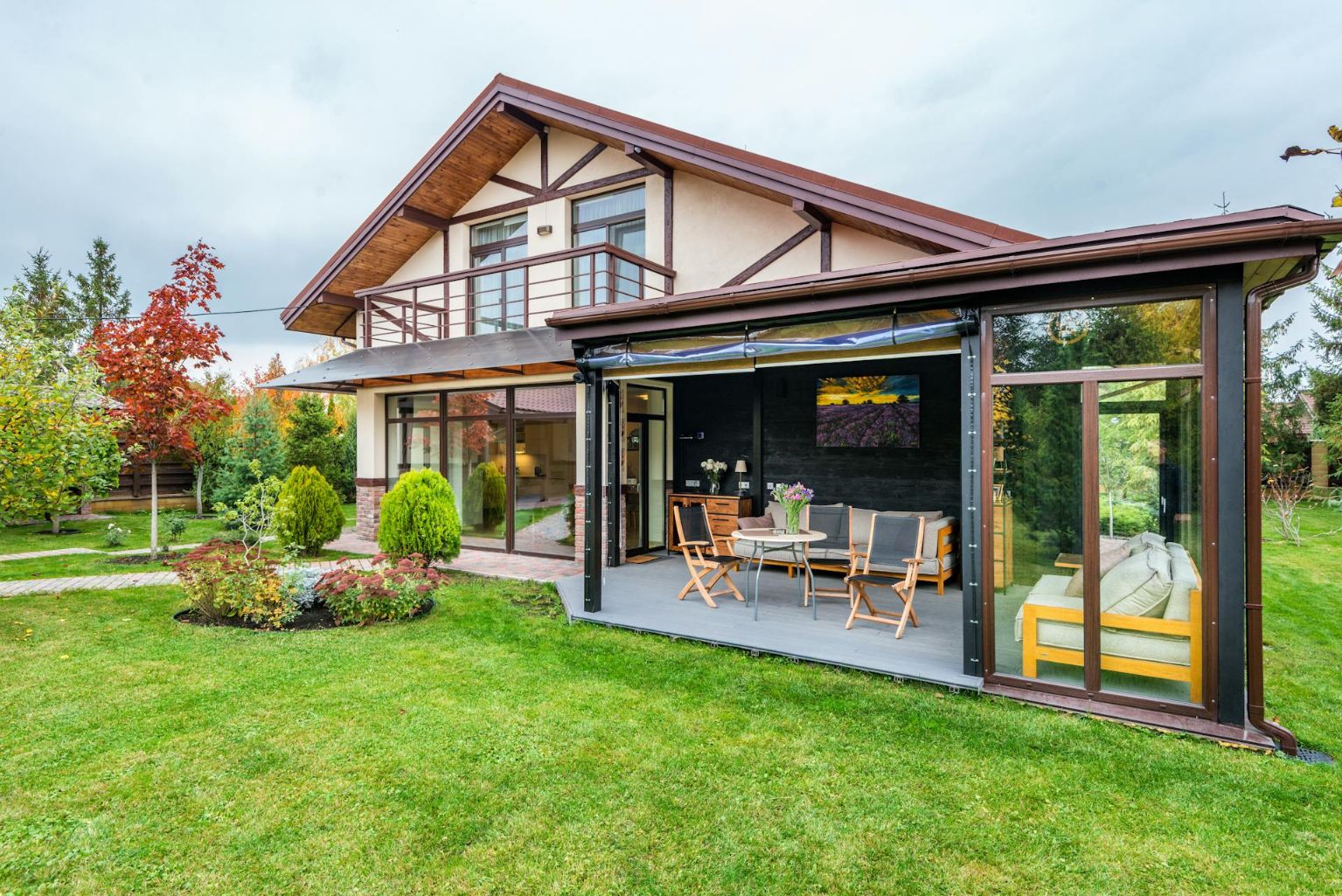
Portland’s historic bungalows are full of charm—original woodwork, cozy layouts, and timeless architectural details. But with age comes responsibility, especially as spring brings rain, moisture, and the perfect window to start remodeling projects. Preparing your bungalow properly ensures you preserve its character while improving comfort, safety, and efficiency.
Here’s how to get your home ready for a successful spring season and any upcoming renovations.
1. Start with a Whole-Home Inspection
Older homes often hide issues that aren’t immediately visible.
Focus on:
- Roof condition and missing or worn shingles
- Foundation cracks or settling
- Signs of water intrusion in basements or crawl spaces
- Aging plumbing and electrical systems
Catching these early helps you plan your remodel with fewer surprises.
2. Address Moisture and Drainage Issues
Portland’s spring rain can be tough on older structures.
Key steps:
- Clean and repair gutters and downspouts
- Ensure water drains away from the foundation
- Check for proper grading around your home
- Install or inspect sump pumps if needed
Managing moisture is critical to protecting your bungalow’s structure and preventing mold.
3. Preserve and Restore Original Features
One of the biggest advantages of a historic bungalow is its unique craftsmanship.
Protect elements like:
- Original hardwood floors
- Built-in cabinetry and trim
- Vintage windows and doors
Whenever possible, restore rather than replace. If upgrades are needed, choose materials that match the home’s original style.
4. Upgrade Insulation and Energy Efficiency
Historic homes weren’t built with modern efficiency standards.
Smart improvements include:
- Adding insulation in attics and walls
- Sealing air leaks around windows and doors
- Installing energy-efficient storm windows
These upgrades improve comfort while maintaining the home’s character.
5. Evaluate Electrical and Plumbing Systems
Outdated systems can limit your remodeling plans and pose safety risks.
Look for:
- Knob-and-tube wiring or outdated panels
- Old galvanized pipes prone to corrosion
- Insufficient outlets for modern living
Upgrading these systems early in your remodel avoids costly changes later.
6. Plan for Permits and Historic Guidelines
Portland has specific requirements for remodeling historic homes.
Before starting:
- Check if your home is in a historic district
- Review local preservation guidelines
- Secure necessary permits
Working with a contractor experienced in historic properties can streamline this process.
7. Improve Ventilation for Spring Conditions
Moisture control is especially important in older homes.
Enhancements to consider:
- Install or upgrade bathroom and kitchen exhaust fans
- Improve attic ventilation
- Use moisture-resistant materials in remodel areas
Proper airflow helps prevent mold and protects original materials.
8. Refresh Exterior Surfaces
Spring is the ideal time to restore your home’s exterior.
Maintenance tasks:
- Repaint or touch up siding with weather-resistant paint
- Repair or replace damaged wood elements
- Inspect porches, railings, and steps for safety
Maintaining the exterior not only boosts curb appeal but also protects your home from the elements.
Final Thoughts
Caring for a historic Portland bungalow requires a balance between preservation and modernization. With thoughtful spring maintenance and careful remodeling prep, you can protect your home’s character while making it more comfortable and functional for today’s lifestyle.
If you’re planning a renovation, partnering with professionals who understand historic homes can help you navigate challenges and make the most of your investment—while honoring the story your bungalow has to tell.