
Budgeting for a Full Bathroom Remodel in Beaverton, OR: What to Expect
Renovating in Beaverton: What a Full Bathroom Remodel Actually Costs in 2026
If you’ve lived in Beaverton for a while, you know that our local housing market has been on a wild ride. Whether you’re in a mid-century ranch near Vose or a newer build closer to Progress Ridge, the “bathroom itch” eventually hits everyone.
But here’s the reality: a “full remodel” in the Tualatin Valley costs more than the national averages you see on HGTV. Between Oregon’s specific labor laws and the current cost of materials, you need a budget built for the Pacific Northwest.
The “Beaverton-Proof” Material Guide: 2026 Edition
1. The Floor: Porcelain vs. Luxury Vinyl (LVP)
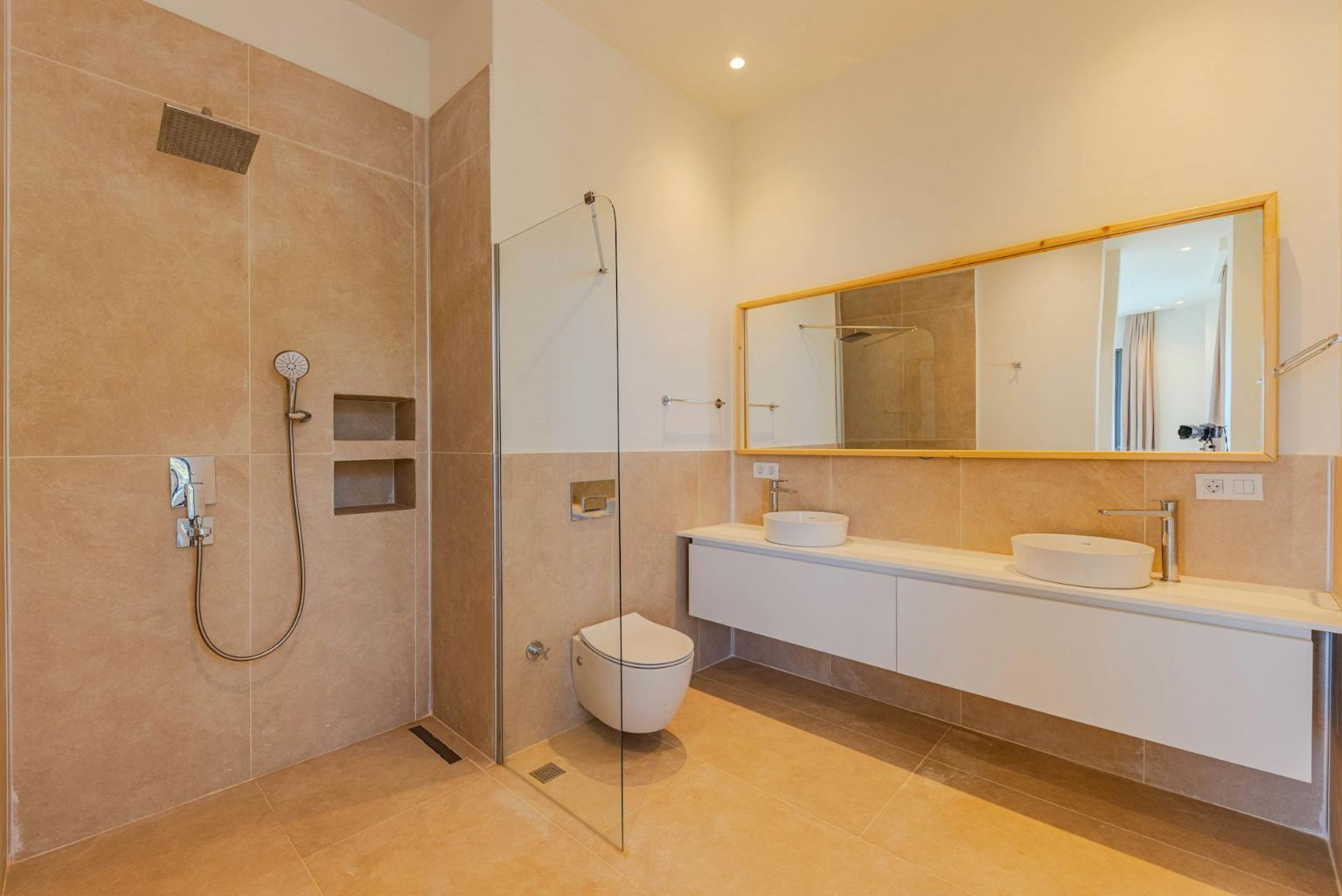
In 2026, the “all-gray” look is officially out. Homeowners are moving toward warm, earthy tones (think sand, terracotta, or muted moss).
- The Winner: Large-Format Porcelain. In the PNW, porcelain is king because it doesn’t absorb moisture. Go with “large format” (like 24×48 tiles) to minimize grout lines. Grout is where mold lives; the less you have, the happier you’ll be in February.
- The Budget Pick: Luxury Vinyl Plank (LVP). If you’re on a tight budget, LVP is 100% waterproof and much warmer on bare feet than tile. Just ensure it has a thick “wear layer” (20mil+) so it doesn’t scratch when you’re cleaning.
2. Countertops: The End of “Faux” Marble
We’ve all seen the quartz that tries (and fails) to look like Italian marble. In 2026, the trend has shifted toward authenticity.
- Top Choice: Taj Mahal Quartzite. It’s a natural stone that is nearly as hard as granite but has the creamy, warm look of marble. It’s expensive, but it won’t etch when you spill hair products or toothpaste on it.
- Practical Choice: Matte-Finish Quartz. High-gloss counters show every water spot and fingerprint. A “honed” or matte finish hides the daily mess much better.
3. The “Wet Area”: Showers over Tubs
Unless you have small children or a deep love for baths, the 2026 Beaverton standard is the Large Walk-In Shower.
- Curbless Entry: This is a “future-proof” move. Having a shower floor that is level with the rest of the bathroom looks like a high-end spa and makes the house easier to sell later (especially to the aging-in-place demographic).
- The “Rain” Setup: Don’t just do a showerhead. The standard now is a dual system: a fixed rainfall head from the ceiling and a handheld wand on a slide bar. It makes cleaning the shower ten times easier.
3 Things to “Buy Once, Cry Once”
Don’t cheap out on these three things, or you’ll be re-doing this in five years:
- The Exhaust Fan: Don’t buy the $50 builder-grade fan. Spend $250 on a Panasonic WhisperQuiet (or similar) with a humidity sensor. In Oregon, if your fan isn’t powerful, your ceiling will be peeling within two years.
- Valves and Diverters: These are the “guts” inside your wall. Buy a reputable brand like Kohler, Moen, or Delta. If a $20 “no-name” valve from an online marketplace leaks in three years, you have to rip out your expensive tile just to fix it.
- Heated Floors (Ditra-Heat): In Beaverton, our winters are damp and cold. Electric floor heating costs about $600–$1,000 in materials for a small bathroom, but it’s the #1 thing homeowners say they “can’t live without” once they have it.
A Final Tip on “The Gray Light”
Because we have so many overcast days, lighting temperature matters. * Avoid: 5000K “Daylight” bulbs (they make your bathroom look like a gas station).
- Aim for: 3000K or 3500K. It’s warm enough to feel cozy but white enough to see what you’re doing while putting on makeup or shaving.