
Waterproofing & Drainage Solutions for Beaverton Basements and Lower-Level Baths
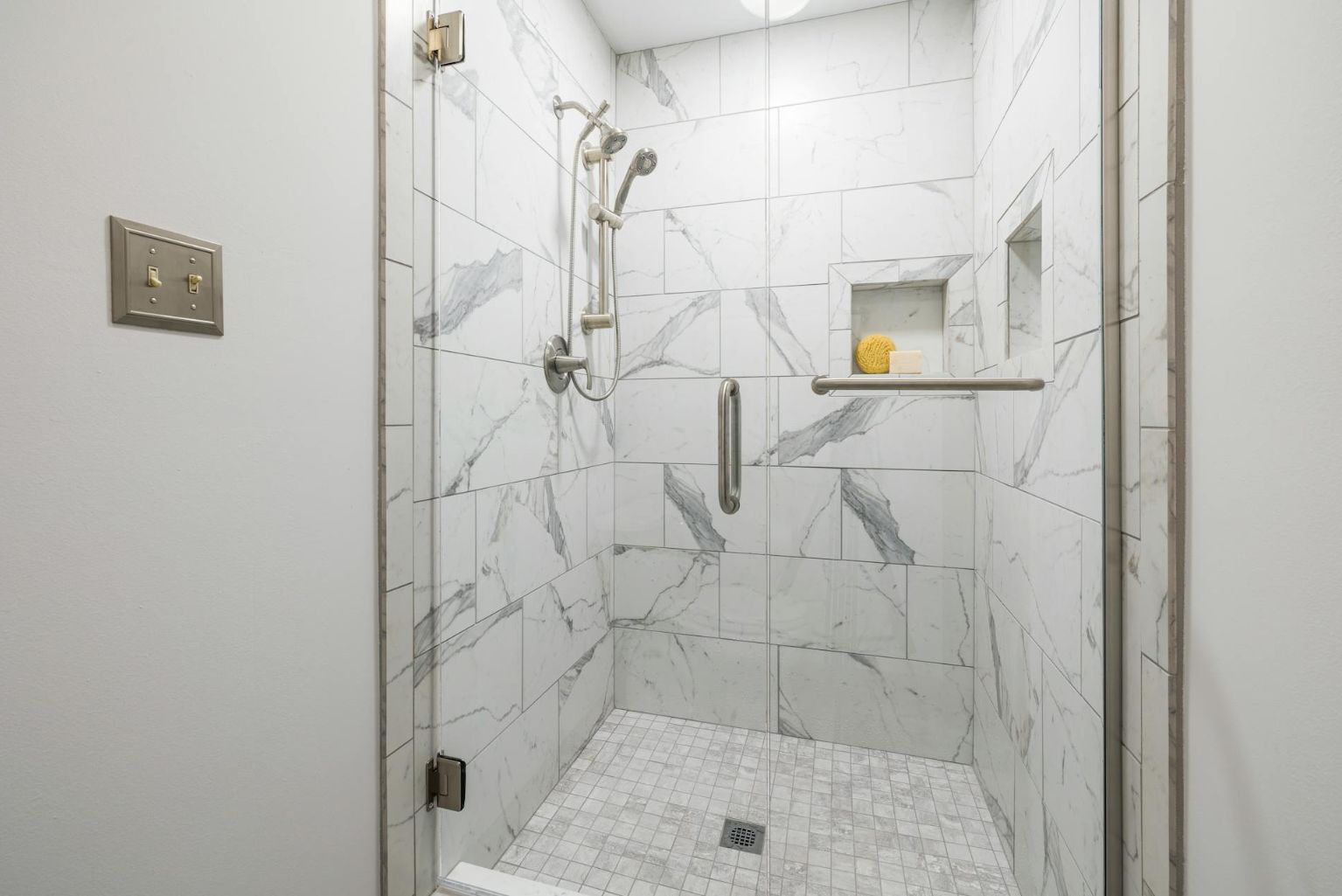
Many homes in Beaverton have partially finished basements, daylight lower levels, or older foundations that weren’t designed with modern waterproofing in mind. Combine that with Oregon’s long rainy season, clay-heavy soil, and fluctuating groundwater, and it’s easy to understand why moisture problems show up—especially around lower-level bathrooms.
Whether you’re dealing with damp walls, a musty smell, or you’re planning a remodel, addressing water management early can prevent costly repairs down the road. Here are practical solutions that fit the way homes in Beaverton are built and the climate they face.
1. Start With a Moisture Assessment
Before jumping into major work, it’s smart to figure out where the moisture is coming from. In Beaverton, common sources include:
- hydrostatic pressure pushing water through foundation walls
- poor grading around the home
- older ceramic drains or clogged perimeter drains
- bathroom condensation that has nowhere to escape
- small foundation cracks that widen during wet seasons
A contractor or inspector can help determine whether the issue is structural, plumbing-related, or simply inadequate ventilation.
2. Improve Exterior Drainage First
Many Beaverton homes built in the ’70s, ’80s, or even early 2000s have exterior drainage systems that are outdated or partially clogged. Improving exterior water flow is often the biggest factor in long-term protection.
Key exterior solutions include:
Proper grading
Soil should slope away from the foundation. Over time, settling often reverses this and directs water toward the house.
Cleaning or replacing perimeter drains
Older homes may have clay or corrugated drains that don’t handle heavy rains well. Replacing them with modern PVC systems helps reduce water pressure on foundation walls.
Extending downspouts
Directing roof runoff several feet away from the house can dramatically reduce basement moisture.
3. Install or Upgrade Interior Drainage Systems
When exterior work isn’t enough—or isn’t feasible—interior drainage offers reliable protection.
Interior French drains
Installed at the base of the foundation wall, these catch water before it enters the living space.
Sump pumps with battery backup
A high-quality pump is essential in Beaverton where heavy storms can hit quickly. Backup systems keep the basement dry even during power outages.
Drain channels for lower-level bathrooms
Especially important if the bathroom includes a shower or laundry area. These help direct water toward an existing drain or sump pit instead of letting it seep into subflooring.
4. Seal Foundation Walls and Floors
Concrete is porous, and Beaverton’s damp climate doesn’t help. Interior waterproof coatings or vapor barriers can keep moisture out of finished spaces.
Options include:
- masonry waterproofing sealants for bare walls
- vapor barriers behind drywall in remodeled basements
- moisture-resistant underlayment beneath flooring
- crack-injection systems for isolated leaks
These aren’t substitutes for drainage, but they work well as part of a layered approach.
5. Focus on Lower-Level Bathrooms
Basement bathrooms can be moisture traps if they’re not properly designed. Steam, plumbing leaks, and poor ventilation add to the natural moisture of below-grade spaces.
Ventilation upgrades
This is one of the simplest and most important improvements:
- larger CFM exhaust fans
- humidity-sensing controls
- ducting that pushes air outdoors, not into the attic
Water-resistant materials
For Beaverton basements, it’s often better to choose:
- cement board instead of drywall
- porcelain or LVP flooring instead of laminates
- waterproof backer behind shower tile
- mildew-resistant paint
Check plumbing for slow leaks
A tiny drip behind a wall can become a big issue in a below-grade space.
6. Address Groundwater Pressure (“Hydrostatic Pressure”)
In parts of Beaverton—especially near low-lying areas—groundwater builds pressure against foundation walls. This can push moisture through even the smallest gaps.
Interior French drains and sump systems are the best solution. Attempting only cosmetic sealing without solving pressure issues usually doesn’t last.
7. Keep Gutters and Roof Drainage Clean Year-Round
With so many fir and pine trees in the area, clogged gutters are extremely common and can dump water straight down foundation walls. Cleaning them at least twice a year (fall and spring) can prevent basement moisture problems entirely.
8. Plan Waterproofing Early in Any Remodel
If you’re renovating a basement or building a lower-level bathroom, waterproofing should happen before drywall, flooring, and cabinetry.
A remodel is the perfect opportunity to:
- regrade soil
- seal walls
- add drains
- install sump systems
- upgrade ventilation
- insulate properly
Once the walls are closed, these improvements become much harder and more expensive.