
How to Coordinate Multiple Remodeling Projects in Lake Oswego
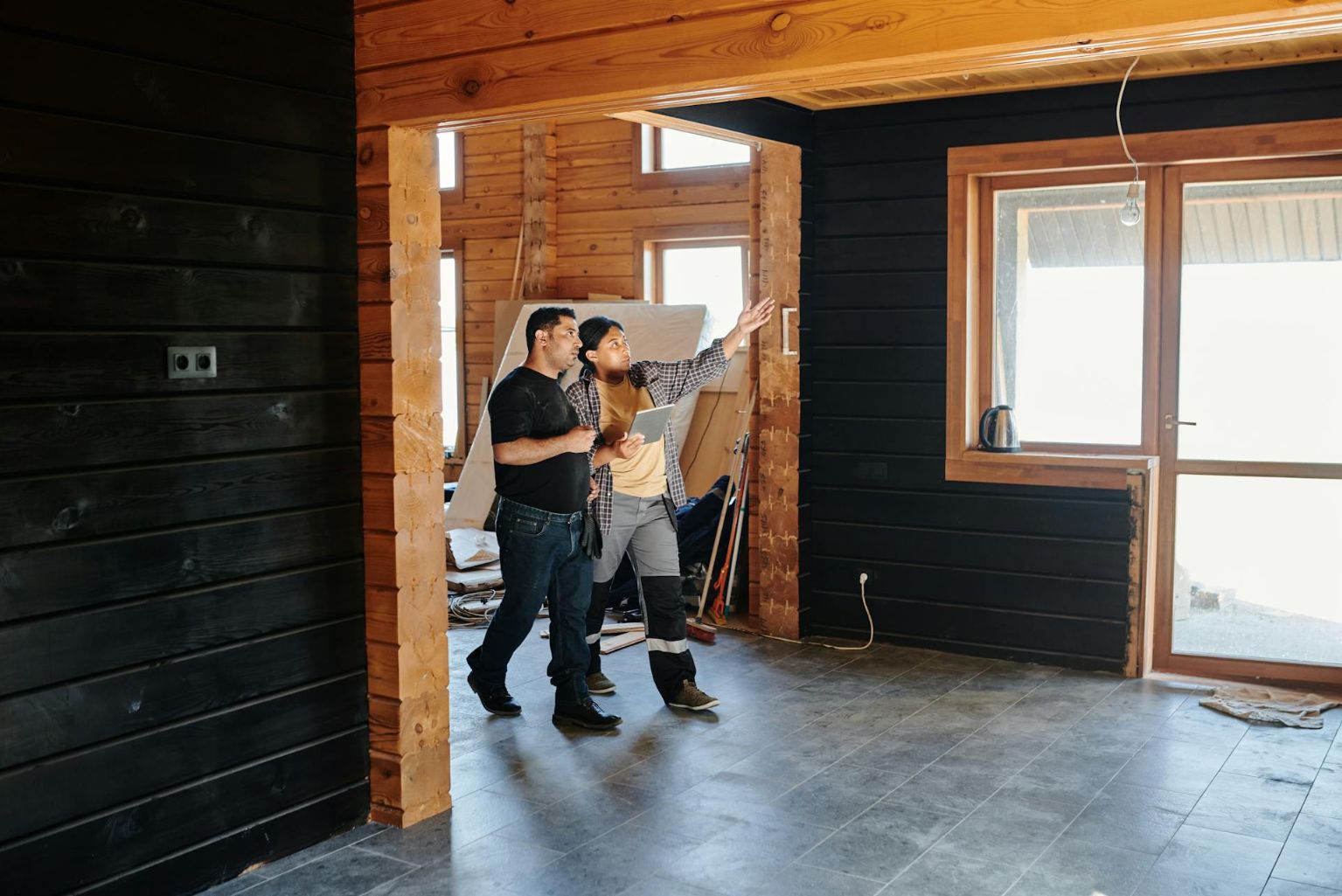
If you’re tackling multiple renovations in Lake Oswego—say, a kitchen overhaul while simultaneously updating the primary suite and finishing a basement—you aren’t just a homeowner anymore; you’re a project manager.
In a town where the permitting office is thorough and the contractors are high-demand, coordination is the difference between a six-month success story and a two-year headache. Here is how to synchronize your projects in 2026.
1. The “Big Three” Sequencing Rule
When you have multiple rooms in play, your schedule should always prioritize Infrastructure, Envelope, and Wet Areas. * Infrastructure First: If you’re upgrading the electrical panel or the main plumbing stack for the kitchen, do it before you start the bathroom upstairs. You don’t want to be cutting into new bathroom drywall because you realized the kitchen vent needs to pass through that wall.
- The “One Working Bathroom” Mandate: If you’re remodeling all your bathrooms, stagger them by at least 3 weeks. In Lake Oswego, “luxury” usually means long lead times for custom tile and glass; ensure the first bathroom is 100% functional (not just “mostly done”) before you demo the second.
- The Lake Draw-Down (Specific to L.O.): If any of your projects involve the waterfront (docks, boathouses, or utility lines near the water), remember that the 2026 Lake Draw-Down starts October 15. Coordinate your interior work so it doesn’t conflict with the narrow window you have for shoreline construction.
2. Consolidate Your Trades
One of the biggest mistakes is hiring three different “specialist” contractors for three rooms. This creates a scheduling nightmare where plumbers from different companies are tripping over each other.
- The Strategy: Use a single General Contractor (GC) for the whole house or, at the very least, ensure your GC uses the same plumbing and electrical subs for every room.
- Why it saves money: You’ll get “economies of scale.” A plumber will charge you less to “rough in” three bathrooms in two days than they would for three separate trips.
3. The “Central Hub” Strategy
In 2026, paper blueprints are mostly for the city inspectors. For your own sanity, use a digital hub (like Buildertrend, CoConstruct, or even a shared Trello board) that your contractors can access.
- Live Schedule: If the tile for the kitchen is delayed by two weeks, your GC should be able to instantly pivot the crew to the basement project so you aren’t paying for “dead days” where no one shows up.
- Selection Sheets: Keep a master list of every finish (paint colors, grout types, hardware finishes). When you’re doing multiple rooms, it’s easy to accidentally install the “Champagne Bronze” faucet in the room meant for “Matte Black.”
4. Permitting “The Whole” vs. “The Parts”
The Lake Oswego Permit Center (at 3rd and A Ave) generally prefers that you submit one comprehensive Residential Alteration permit for multiple interior projects.
- The Benefit: You pay one plan-review fee and have one set of inspections. Instead of an inspector coming out five times for five small jobs, they can sign off on all the “rough-ins” for the whole house in one visit.
- The Caveat: If one room’s design isn’t ready, don’t hold up the others. You can pull a “Partial Permit,” but be clear with the Building Official that more is coming.
5. Managing the “Living-In” Logistics
If you aren’t moving out during a multi-room remodel, your kitchen is usually the last thing you should demo.
- Create a “Camp Kitchen”: Set up a temporary station in the dining room or garage with a microwave, electric kettle, and a portable induction burner.
- Dust Mitigation: Since you’ll have multiple crews in the house, insist on HEPA air scrubbers and zippered plastic barriers. In our damp PNW climate, construction dust combined with humidity can settle into your HVAC system and become a permanent resident.
The 2026 “Lake Oswego” Pro-Tip:
If your home was built before the mid-90s, check your Seismic Retrofitting while the house is stripped down. Most Lake Oswego GCs will recommend bolting the home to the foundation during a major remodel. It’s an extra $3,000–$5,000 now, but it’s nearly impossible to do once you’ve put up your high-end cabinetry and tile.