
ADA-Friendly Bathroom Remodel Ideas for Lake Oswego Homeowners
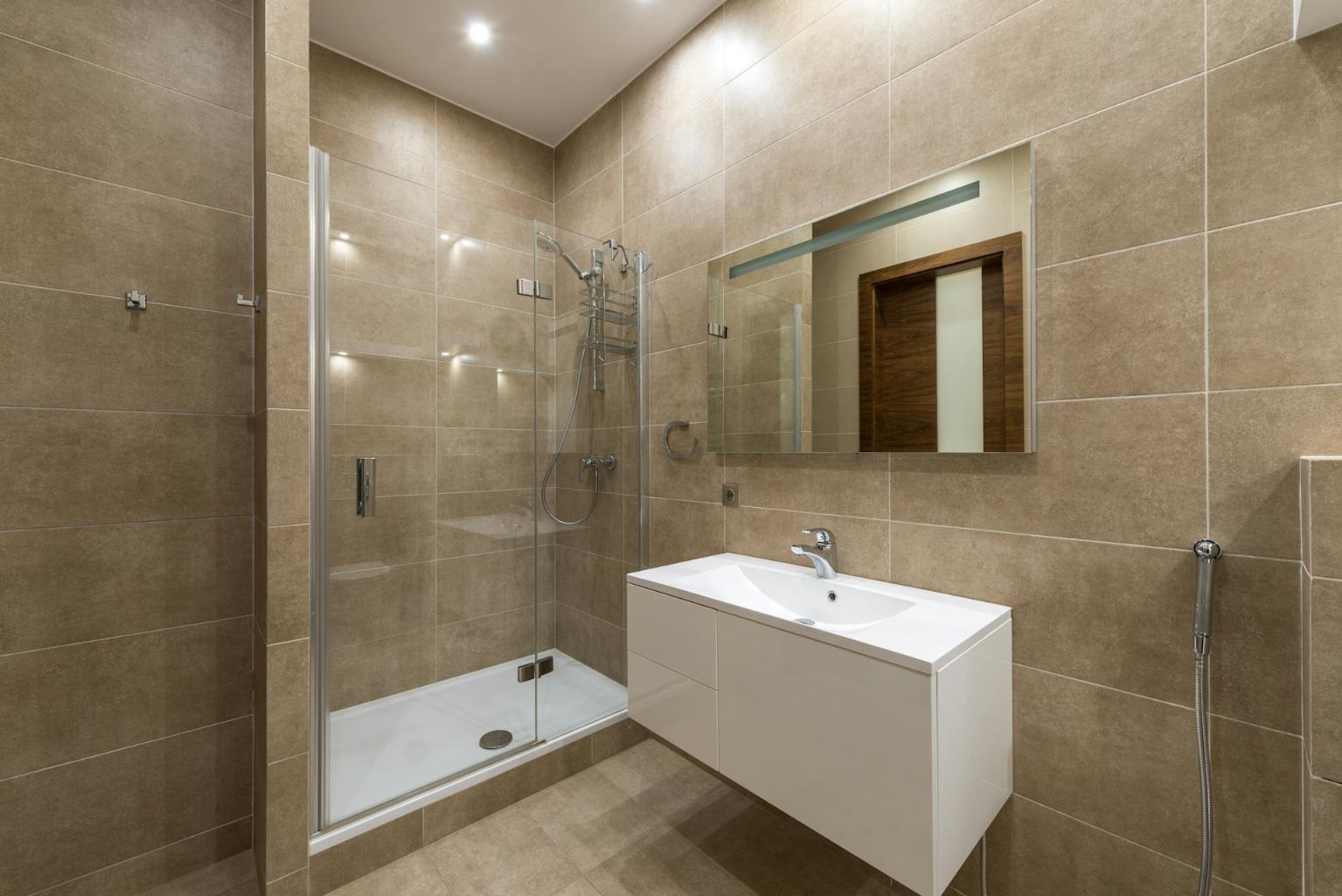
In Lake Oswego, a bathroom remodel isn’t just about utility—it’s about maintaining the high aesthetic standards of the neighborhood while ensuring the home remains functional for a lifetime. When we talk about “ADA-friendly” or Universal Design in 2026, we’ve moved past the institutional look of hospital grab bars.
Here is how to design a high-end, accessible bathroom that feels like a spa, not a clinic.
1. The Zero-Entry (Curbless) Shower
The hallmark of a modern Lake Oswego remodel is the seamless floor. By sinking the shower pan into the subfloor, you create a continuous plane of tile from the vanity to the back shower wall.
- Why it works: It eliminates the tripping hazard of a standard 4-inch curb. It’s also much easier for a wheelchair or walker to navigate.
- The 2026 Look: Use a linear drain at the back wall or the entrance. This allows you to use large-format tiles ($24 \times 48$) throughout the whole room, making the bathroom feel twice as large.
- Safety Tip: Ensure the tile has a high DCOF (Dynamic Coefficient of Friction) rating—look for “textured” or “matte” porcelain that mimics natural stone but provides grip when wet.
2. “Invisible” Support: The New Grab Bar
You no longer have to install clunky chrome bars that scream “medical supply store.”
- Integrated Fixtures: Modern luxury brands (like Brizo or Ginger) now offer decorative grab bars that double as towel racks or toilet paper holders. They are weight-rated to 250+ lbs but look exactly like high-end hardware.
- Blocking: Even if you don’t need bars today, have your contractor install 2×6 wood blocking behind the drywall during the “studs-out” phase. This way, you can securely bolt a bar into the wall in 10 minutes if you ever need it.
3. The Floating “Roll-Under” Vanity
A standard vanity cabinet is a barrier for anyone who needs to sit while getting ready.
- The Design: Install a wall-hung (floating) vanity. This creates an open space underneath for a stool or wheelchair.
- The “Luxury” Twist: To hide the plumbing (which can be unsightly and hot to the touch), have your carpenter build a recessed “shroud” or a decorative panel that matches your cabinetry.
- Lighting: Add LED toe-kick lighting on a motion sensor. It illuminates the floor at night without you having to fumbly for a switch—a major safety bonus for any age.
4. Smart Toilets & Comfort Height
In Lake Oswego, the “bidet seat” has become a standard luxury item, but it’s also a powerful tool for independence.
- Comfort Height: Ensure your toilet is 17–19 inches high (roughly the height of a chair). This makes sitting and standing much easier on the knees.
- The Tech: A smart toilet (like the TOTO Neorest or Kohler Konnect) offers auto-open/close lids and remote-controlled cleansing. This provides dignity and ease of use for those with limited reach or dexterity.
5. Lighting and Doorways
Accessibility often fails in the “small” details.
- Widen the Entry: Standard doors are often 28 or 30 inches. An ADA-friendly door should be 36 inches wide. If you don’t have the “swing” space, consider a heavy-duty pocket door with a high-quality soft-close mechanism.
- Rocker Switches: Swap traditional toggle switches for wide “rocker” plates or motion sensors. They are much easier to operate with a palm or elbow if your hands are full (or weak).
The “Lake Oswego” Resale Reality
There is a common myth that ADA features hurt resale value. In a community like Lake Oswego—where many residents choose to “age in place”—a high-end Universal Design bathroom is actually a massive selling point. It tells buyers the home is “future-proofed.”