
How to Plan a Kitchen Remodel Around Portland’s Weather and Lifestyle
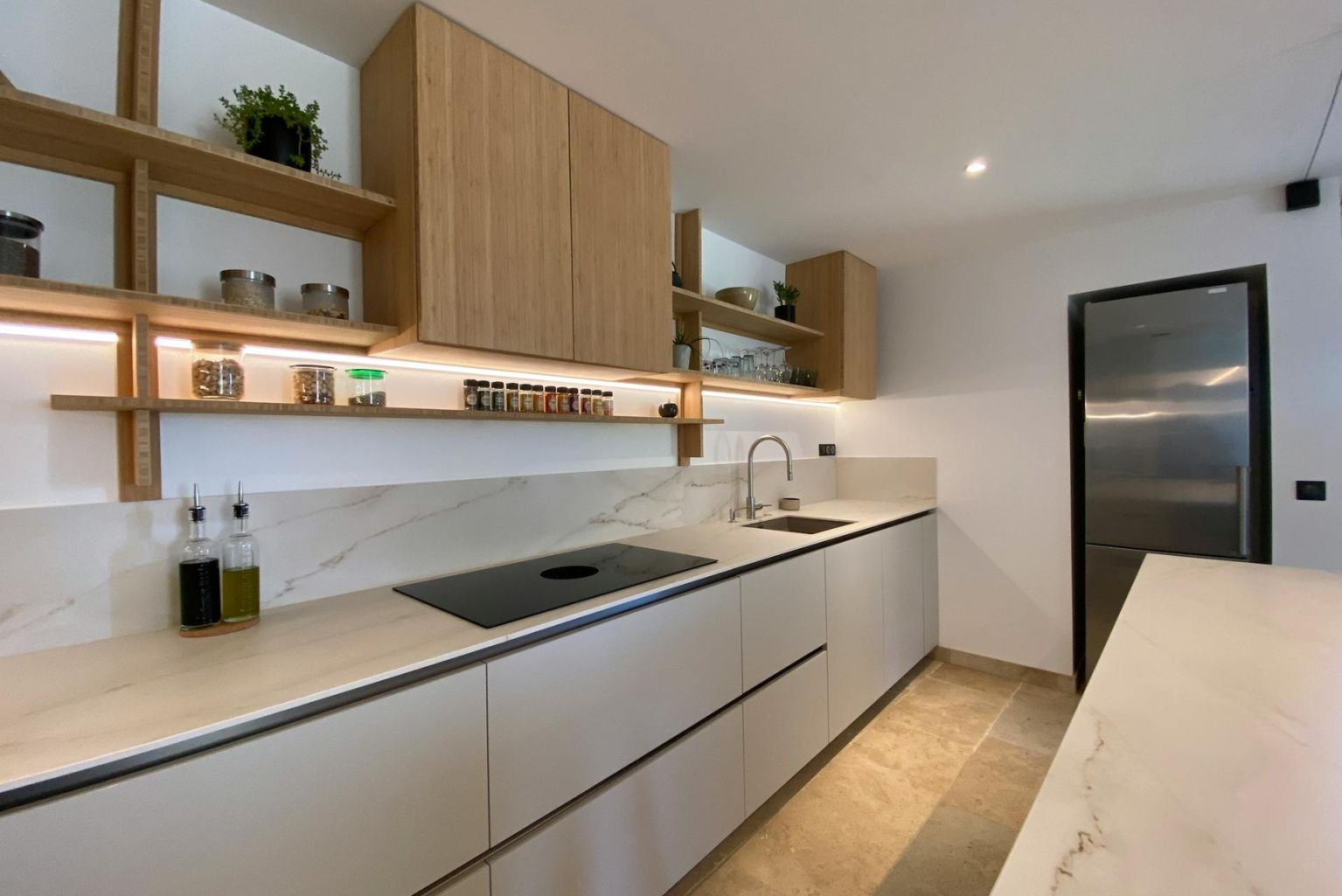
In Portland and Beaverton, a kitchen remodel isn’t just about the square footage; it’s about surviving the “Big Dark” (those rainy winter months) and accommodating a lifestyle that revolves around coffee, composting, and dirty hiking boots.
If you’re planning a kitchen in 2026, here is how to build one that actually fits the Pacific Northwest.
1. Lighting the “Big Dark”
Because we lose the sun at 4:30 PM for half the year, lighting is the most critical part of a local kitchen.
- The Layered Strategy: Skip the single overhead “boob light.” You need three distinct layers: Task (under-cabinet LEDs so you can see your knife work), Ambient (recessed cans on dimmers), and Accent (oversized pendants over the island).
- The 2026 Trend: We’re seeing a shift toward “Circadian Lighting.” These are smart systems that shift from cool, energizing white light in the morning to a warm, amber glow in the evening. It helps combat Seasonal Affective Disorder (SAD) by mimicking the natural sun cycle we often miss out on during a gray January.
2. The “Dirty Entrance” Integration
In Beaverton and Portland, your kitchen is often the first room you enter after coming in from a muddy dog walk or a rainy commute.
- The “Transition Zone”: If your kitchen is near the back door or garage, incorporate a “Mudroom-Lite” station. This is a tall, narrow cupboard with hooks for rain shells and a ventilated shoe rack so your wet gear doesn’t smell.
- Durable Flooring: While wood is beautiful, many locals are opting for large-format porcelain tile near the entryways that mimics slate or stone. It handles the grit from Forest Park trails much better than white oak.
3. Indoor Air Quality & The “Wet” Climate
Portland’s humidity can turn a kitchen into a petri dish for mold if you aren’t careful, especially when we keep our windows shut for six months straight.
- Over-Spec Your Hood: Don’t just buy the cheapest range hood. Look for one with a high CFM (Cubic Feet per Minute) rating. With our damp air, you need to pull steam and cooking odors out of the house quickly to prevent “kitchen sweat” on your windows.
- Plywood over MDF: When choosing cabinets, prioritize plywood-core construction. In high-humidity areas like the PNW, cheap MDF or particle board cabinets can swell and warp if there’s a minor leak or high ambient moisture.
4. Designing for the “Coffee & Sourdough” Culture
Portlanders take their morning rituals seriously, and 2026 design reflects that.
- The Beverage Station: Dedicated “coffee garages” or hidden beverage centers are massive right now. This is a small area of the counter with its own water line for an espresso machine, keeping the main prep area clear for cooking.
- Compost-First Design: Since the Portland metro area has robust composting programs, don’t just put a plastic bin under the sink. Have your cabinet maker build a triple pull-out drawer specifically for trash, recycling, and a dedicated compost bin with a charcoal filter.
5. Biophilic Finishes (Bringing the Outside In)
Since we spend so much time indoors, the 2026 aesthetic is all about “Biophilic Design”—using colors and textures that remind us of the Oregon wilderness.
- Color Palette: Moving away from stark white. Think “Forest Greens,” “Stormy Blues,” and “Mushroom” tones.
- Natural Wood: Using Walnut or Rift-Sawn Oak for island accents or floating shelves adds a warmth that counters the gray skies outside your window.
The Reality Check: Permit Timelines
The City of Portland (BDS) and Washington County/City of Beaverton have different permit speeds. In 2026, expect 4–8 weeks for permit approval if you are moving walls or changing gas lines. Always tell your contractor you want the “Final Inspection” signed off before the last payment; it’s your only insurance that the work was done to Oregon code.