
Deck & Outdoor Accessory Design for Rainy Lake Oswego — Durable Materials That Last
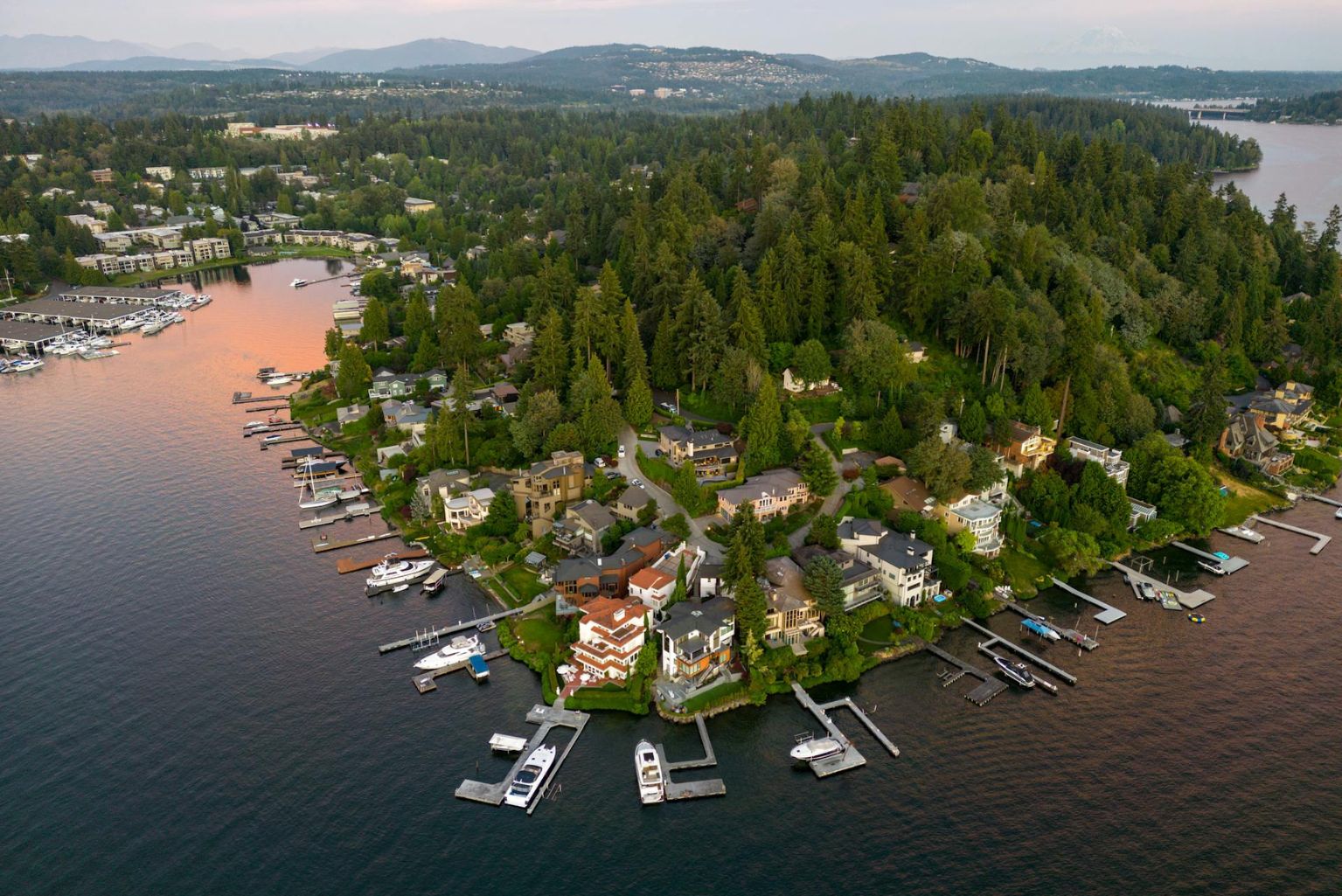
Lake Oswego’s rainy, moss-prone climate is gorgeous to look at, but it can be tough on outdoor spaces. Between long stretches of moisture, shade from tall evergreens, and the freeze–thaw cycles of Oregon winters, decks and outdoor accessories need to be built with durability in mind. Whether you live near the lake or in one of the wooded hillside neighborhoods, making the right material choices can dramatically extend the life of your deck and outdoor features.
Here are smart, long-lasting options that work well in Lake Oswego’s wet environment.
1. Choose Moisture-Resistant Decking From the Start
Not all decking materials perform the same in a rainy climate. In Lake Oswego, where dampness lingers for much of the year, moisture tolerance should come first.
Best-performing options:
- Composite decking
Brands like Trex, TimberTech, and Fiberon handle rain, fading, and mildew far better than natural wood. They’re low maintenance and don’t require yearly sealing. - PVC decking
A premium option that’s extremely water-resistant and stable in wet environments. Great for homes close to the lake. - Hardwoods (ipe, cumaru, mahogany)
If you prefer real wood, dense hardwoods are far more durable than cedar or pine—but they do require regular oiling.
Avoid pressure-treated softwoods in shaded or damp areas—they tend to absorb moisture and grow moss quickly.
2. Prioritize Drainage and Airflow Beneath the Deck
Many Lake Oswego yards are sloped or surrounded by heavy vegetation. Without proper airflow, decks trap moisture and deteriorate faster.
Smart strategies include:
- Using under-deck drainage systems if the area below is used for storage or seating
- Leaving adequate spacing between deck boards
Ensuring the framing uses rot-resistant materials
Installing ventilation screens if the deck is close to the ground
Good airflow is one of the best defenses against rot and decay.
3. Pick Hardware Designed for Wet Weather
Even the strongest decking boards can fail when paired with the wrong hardware. Moisture, tannins, and lake air can corrode metals faster than people expect.
Use:
- Stainless steel screws and fasteners
- Coated structural clips and brackets
- Hot-dipped galvanized hardware for framing
This prevents rust streaks and extends the lifespan of the entire structure.
4. Outdoor Accessories Should Be Weather-Smart, Not Just Pretty
Lake Oswego’s climate can be unforgiving to the wrong materials. Choose accessories built to handle rain, shade, and constant moisture.
Best options:
- Powder-coated aluminum railings (resistant to rust and fading)
- Resin or polywood furniture that doesn’t rot or mold
- Outdoor-rated fabrics like Sunbrella that resist mildew
- Covered storage boxes for cushions and grill accessories
Avoid untreated wood furniture unless you’re willing to refinish it every year.
5. Add Covered Spaces to Extend Outdoor Use
A simple overhead structure can make your deck usable even during Lake Oswego’s long rainy season.
Consider:
- Pergolas with polycarbonate panels
- Covered patios built into the deck design
- Retractable awnings for flexible shade and shelter
These features also help protect furniture and flooring from year-round moisture.
6. Plan for Moss, Algae, and Leaf Debris
Shaded decks near the lake are prone to moss growth. Building with this in mind prevents slippery surfaces and premature wear.
Helpful choices:
- Textured deck boards for better traction
- Built-in gutter guards to reduce debris
- Sloped surfaces that allow rain to shed quickly
- Easy-clean railings with minimal crevices
Small design decisions can save you from constant scrubbing later.
7. Don’t Forget Finish & Maintenance Choices
Even the best materials need occasional care. Fortunately, modern decking options require much less work than traditional wood.
- Composites need seasonal cleaning, not sealing.
- Hardwoods need oiling once or twice per year.
- Aluminum railings may need a quick rinse after pollen season.
Regular, light maintenance goes a long way in Lake Oswego’s damp climate.
Final Thoughts
Designing a deck that lasts in Lake Oswego means working with the climate—choosing materials that resist moisture, planning for drainage, and picking accessories that can withstand months of rain. With the right combinations, you can create an outdoor space that stays beautiful, safe, and functional year-round, whether you’re enjoying summer evenings or late-fall views of the evergreens.