
Family-Friendly Kitchen Layouts for Beaverton Starter Homes
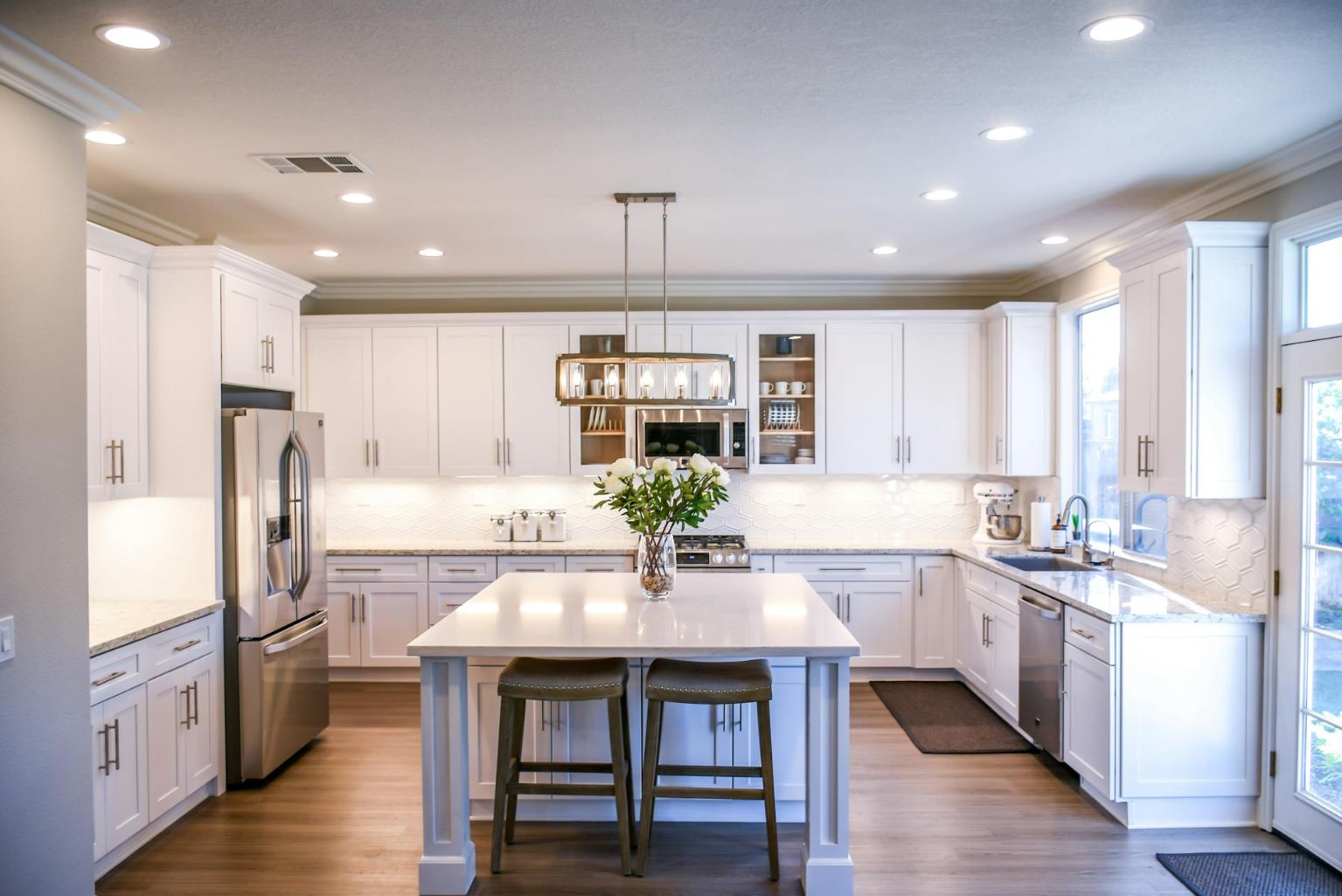
For many Beaverton families, the kitchen ends up being more than a cooking space — it becomes a homework zone, a snack hub, and often the busiest gathering spot in the house. Starter homes in neighborhoods like Five Oaks, Cedar Hills, and Highland can have compact or older kitchen layouts that don’t always match the needs of growing families. With a few smart design choices, however, you can create a kitchen that’s efficient, safe, and comfortable for both adults and kids.
1. Choose a Layout That Improves Flow
Most Beaverton starter homes feature galley or L-shaped kitchens. While these layouts are practical, they can feel tight once you factor in kids, pets, or multiple cooks.
Ideas that work well locally:
- Open up a wall to connect the kitchen to the dining or living room. Many older Beaverton homes were built before open concepts were popular.
- Peninsulas instead of islands often fit better in starter-size kitchens and still provide seating for quick breakfasts.
- Clear traffic paths between the fridge, sink, and stove reduce crowding during busy mornings.
2. Add Kid-Friendly Zones
Families with young children often appreciate having designated “kid zones” that keep little hands out of the cooking path.
Try:
- A lower drawer stocked with cups, bowls, and snacks kids can reach themselves.
- A small homework or drawing corner so kids can stay nearby without being underfoot.
- A coffee and appliance zone placed away from the main walkway to reduce accidents.
These small changes help keep the main cooking area more organized and safer.
3. Smart Storage for Small Spaces
Many Beaverton starter homes were built before large pantries became common, so storage is often the biggest challenge.
Helpful upgrades include:
- Pull-out pantry cabinets that slide out fully and make everything visible.
- Deep drawers for pots and pans instead of traditional lower cabinets.
- Vertical storage for baking sheets, cutting boards, or lunch containers.
- Mudroom-style hooks and cubbies, especially in homes near parks or schools, to keep backpacks and jackets from piling up in the kitchen.
Even a few storage improvements can dramatically reduce daily clutter.
4. Easy-to-Clean, Family-Proof Materials
Busy households need surfaces that can handle spills, fingerprints, and daily wear.
Consider:
- Quartz countertops (low maintenance, no sealing needed)
- Matte finishes on cabinets to hide smudges
- Luxury vinyl plank (LVP) flooring — durable, water-resistant, and warm underfoot
- Tile backsplashes that wipe clean after messy cooking sessions
Choosing the right materials saves time and keeps the kitchen looking fresh longer.
5. Safety Upgrades for Peace of Mind
If you’re remodeling, it’s a great time to add safety improvements—especially if you have toddlers or energetic pets.
Common upgrades:
- Soft-close drawers to avoid pinched fingers
- Rounded edge countertops
- Slip-resistant flooring
- Cabinet locks only where needed (cleaners, medications)
- Improved ventilation, especially important in older Beaverton homes with limited airflow
Small modifications make a big difference for daily safety.
6. Create Spaces That Grow With the Family
Kids grow fast, and the kitchen should adapt over time.
Flexible ideas:
- Adjustable shelves inside cabinets
- Moveable island carts
- Expandable dining tables
- A nook that shifts from art station to teen study spot
These features help your kitchen evolve instead of needing another major remodel in a few years.