
Aging-in-Place Bathroom Upgrades for NE/SE Portland Homes
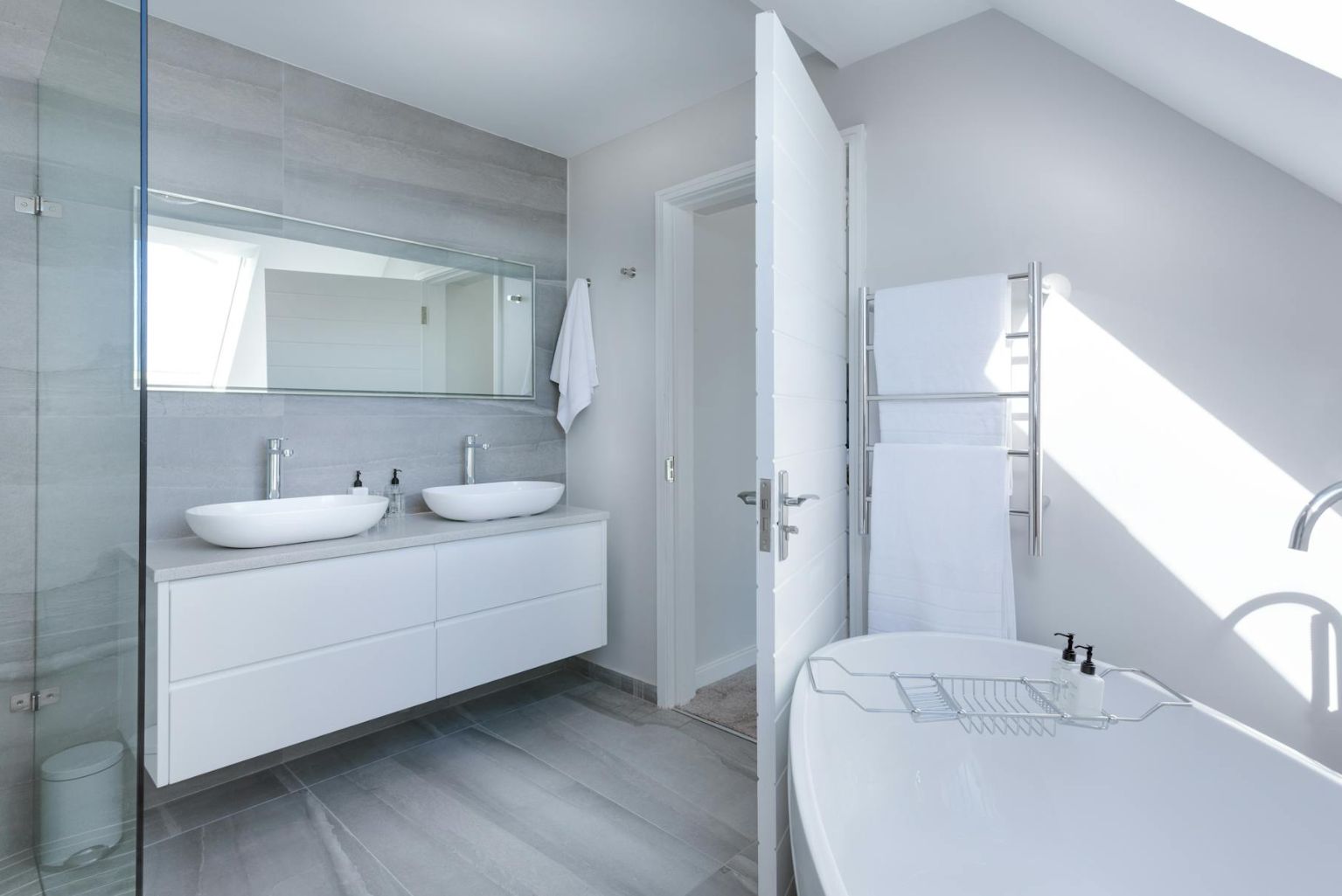
Many older homes in NE and SE Portland—from Craftsman bungalows to post-war cottages—weren’t originally designed with long-term accessibility in mind. As more homeowners choose to age in place, the bathroom often becomes one of the first spaces to update. The goal isn’t to make the room look “medical,” but to create a safer, more comfortable environment that blends with the character of the home.
Here are some practical, homeowner-friendly ideas for making bathrooms in these neighborhoods easier to use while maintaining their charm.
1. Start With Better Lighting and Clear Pathways
Portland homes built decades ago often have dim or uneven bathroom lighting. Simply upgrading to brighter, layered lighting—overhead, vanity, and shower lights—can reduce fall risks. Adding night lights or motion-sensor toe-kick lighting also helps with nighttime trips without harsh brightness.
Widening pathways or removing unnecessary obstructions is another early step. Even a small bathroom can feel easier to navigate with a few smart layout adjustments.
2. Choose a Low-Entry or Zero-Threshold Shower
One of the biggest improvements for long-term accessibility is replacing an old tub or high-step shower with a low-entry or curbless design. These types of showers reduce tripping hazards and offer more flexibility for the future—whether that means using a shower chair or simply having a safer surface to step onto.
For the older homes in NE and SE Portland that sometimes lack perfect floor leveling, contractors will often reinforce or adjust the subfloor to ensure proper drainage without disrupting the rest of the bathroom.
3. Install Secure, Well-Placed Grab Bars
Grab bars don’t have to look industrial anymore. Modern versions come in brushed nickel, matte black, and even finishes that match other fixtures in Craftsman-style or midcentury bathrooms.
The most useful placements include:
- near the shower entrance
- inside the shower
- beside the toilet
- near any step or transition
When installed correctly into wall blocking, they provide real support and peace of mind.
4. Upgrade the Flooring With Safety in Mind
Many SE/NE Portland homes still have older tile, linoleum, or even slippery stone floors. Replacing them with slip-resistant tile or textured luxury vinyl can reduce falls while still looking clean and modern.
Heated flooring is also worth considering—it’s comfortable, energy-efficient, and surprisingly safe because it reduces moisture buildup on cold surfaces.
5. Improve the Shower Controls and Fixtures
Small changes can make daily routines much easier. Some practical upgrades include:
- Lever-style handles instead of twist knobs
- A handheld showerhead with a longer hose
- Thermostatic valves that prevent sudden temperature changes
- Bench seating built into the shower or added as a fold-down option
These features offer comfort without adding visual clutter.
6. Make the Toilet Area More Accessible
Comfort-height toilets are popular for aging-in-place remodels because they make standing up and sitting down less strenuous. Paired with a grab bar or a nearby support rail, the setup feels natural and unobtrusive.
If space allows, slightly widening the toilet area or shifting it to a more open layout can improve overall accessibility.
7. Rethink Storage So It’s Easier to Reach
Older Portland houses often have high cabinets or deep shelves that aren’t practical long-term. Replacing them with drawers at mid-level height, pull-out shelves, or shallow built-ins helps keep essentials more accessible.
Keeping everyday items within arm’s reach also reduces the risk of bending, stretching, or climbing.
8. Improve Ventilation to Manage Portland’s Moisture
With Portland’s damp climate, proper ventilation is especially important for safety and maintenance. A stronger exhaust fan, humidity controls, and mold-resistant materials help keep the bathroom healthy and prevent slippery surfaces.
For older homes, an upgraded ventilation system can also protect original wood framing and finishes from long-term moisture damage.
9. Keep the Design Warm and Homey—Not Clinical
Aging-in-place design doesn’t have to look like a hospital room. Many homeowners choose natural materials, warm finishes, and features that blend with the home’s existing character. In SE/NE Portland, this often means:
- wood-tone vanities
- mosaic or handmade tile
- soft earth or forest colors
- classic fixtures that match the home’s era
The end result is a bathroom that looks inviting while still offering long-term practicality.