
Permit Checklist: What Portland Homeowners Need Before a Kitchen or Bath Remodel
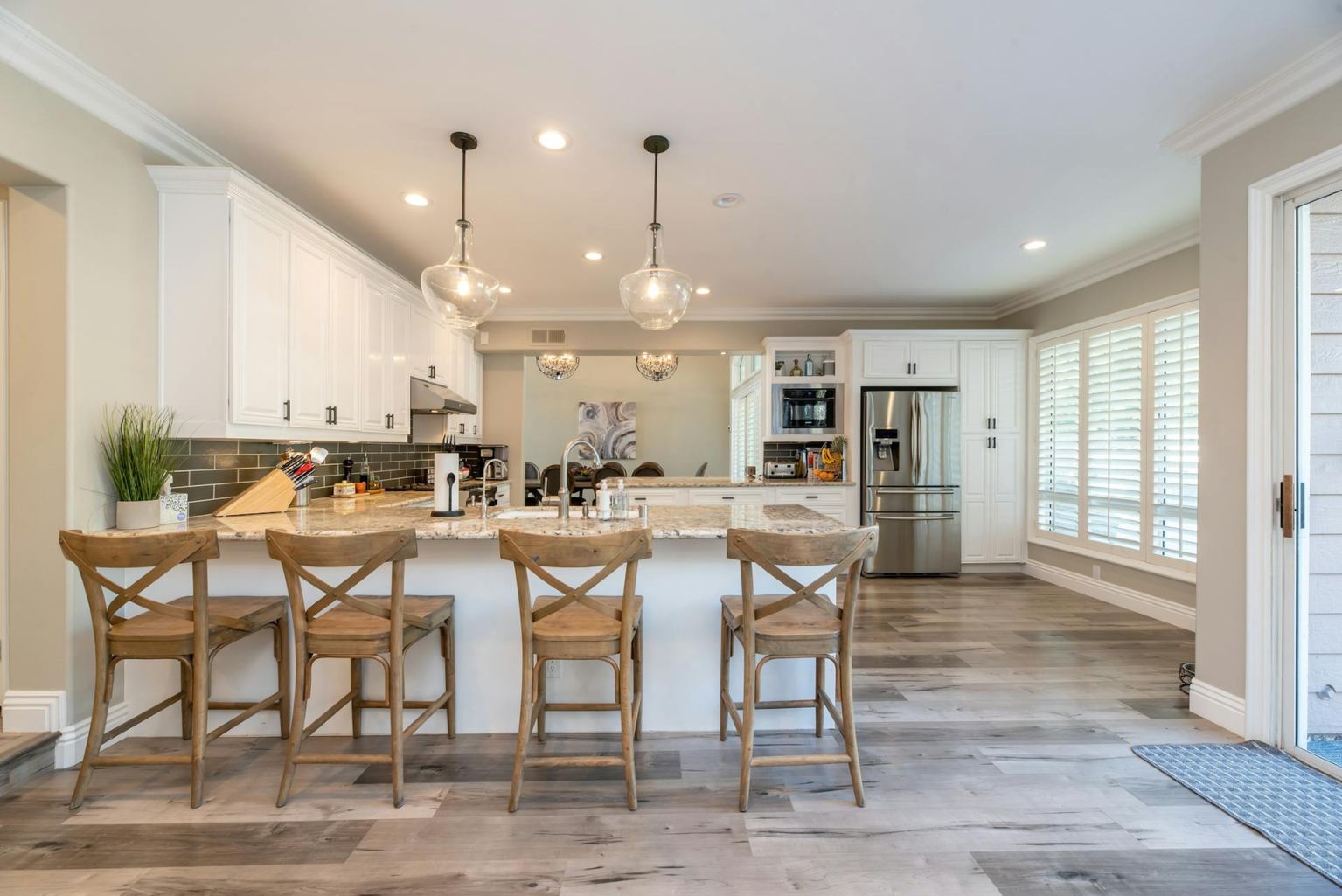
Planning a remodel in Portland—especially a kitchen or bathroom—comes with a few extra steps. Because these rooms usually involve plumbing, electrical work, and possible structural changes, the City of Portland requires homeowners to secure certain permits before any demolition or construction begins. Understanding what’s needed upfront can save time, prevent fines, and keep your project moving without delays.
Here’s a practical checklist that Portland homeowners can use before starting a kitchen or bath renovation.
1. Determine Whether a Building Permit Is Required
Most kitchen and bathroom remodels do need a building permit, especially if you’re doing anything beyond cosmetic updates.
A building permit is generally required if you plan to:
- Remove or add walls
- Reframe an opening for a new window or door
- Change the layout of plumbing or electrical
- Replace or move a bathtub, shower, or sinks
- Install new structural beams or supports
- Relocate appliances that require new venting or wiring
Simple cosmetic work—paint, tile replacement, new cabinets in the same location—usually doesn’t require a building permit, but once utilities or structural elements are involved, the city steps in.
2. Electrical Permit Requirements
Any electrical work beyond swapping out a surface fixture requires a permit. In a remodel, that often includes:
- Adding new outlets (especially GFCI outlets required by code)
- Installing new lighting, recessed cans, or under-cabinet lighting
- Moving switches or outlets
- Upgrading wiring in older Portland homes
- Adding dedicated appliance circuits (dishwashers, microwaves, etc.)
Older homes in neighborhoods like Sellwood, Hawthorne, and St. Johns often have outdated wiring, so electricians frequently pull permits to bring everything up to modern code.
3. Plumbing Permit Requirements
Bathrooms and kitchens almost always involve plumbing changes. You will need a plumbing permit for:
- Moving a sink, shower, or toilet
- Replacing or adding a tub or shower valve
- Relocating water supply or drain lines
- Adding a dishwasher or pot filler
- Upgrading old galvanized pipes
Even “small” changes in Portland’s older bungalows often reveal plumbing issues that must be corrected, which also triggers a permit.
4. Mechanical Permit (If Needed)
A mechanical permit is needed when the remodel involves:
- Adding or moving exhaust fans
- Installing new ductwork
- Extending heating or cooling vents into the remodeled area
- Changing out a range hood that vents outside
Bathrooms must have a working ventilation system in Portland due to moisture concerns, so most remodels require at least a simple mechanical permit.
5. Verify Whether Your Project Needs Design Review or Historic Approval
Some neighborhoods in Portland have additional regulations, especially older districts with historic protections.
You may need extra approvals if your home is in:
- A designated Historic District (e.g., Irvington, Ladd’s Addition)
- A Conservation District
- A house listed on the Historic Resource Inventory
Projects that change exterior windows, doors, or siding near the kitchen or bathroom area may require review.
6. Check Whether You Need a Zoning Review
Zoning reviews are usually quick but important. They’re required if your remodel includes:
- Expanding the footprint of the home
- Moving or enlarging exterior openings
- Adding new windows facing property lines
- Structural changes that affect setbacks
Most interior remodels pass zoning with no problem, but kitchens with new windows or patio doors sometimes trigger a quick check.
7. Hire Licensed Contractors (Required for Permit Work)
In Oregon, only licensed, bonded contractors can perform work that requires a permit. Homeowners can do their own work, but only if they live in the property and follow all code requirements.
For safety and liability, most homeowners hire licensed:
- Electricians
- Plumbers
- General contractors
This ensures all work is inspected and approved correctly.
8. Submit Plans Before Starting Work
Depending on the scope of your remodel, you may need to submit:
- A floor plan (existing and proposed)
- Electrical layout
- Plumbing diagram
- Mechanical ventilation plan
- Structural drawings (if removing or altering walls)
Simple remodels may only need basic drawings. Larger projects might require engineered plans.
9. Schedule Inspections During the Project
For kitchen and bath remodels, Portland inspectors usually check:
- Rough framing (after demolition)
- Rough plumbing
- Rough electrical
- Rough mechanical
- Final inspection before walls close
- Final sign-off after everything is completed
Inspections ensure everything meets current safety and building standards.
Final Thoughts
Portland’s permitting process may feel detailed, but it’s designed to protect homeowners—especially in older homes where hidden issues are common. Having the right permits in place helps avoid costly delays, code violations, or problems when selling the home later.
With a clear checklist and the right professionals, getting your kitchen or bathroom remodel permitted in Portland can be straightforward and stress-free.