
How to Protect Portland Bungalows from Rain & Moisture During a Bathroom Remodel
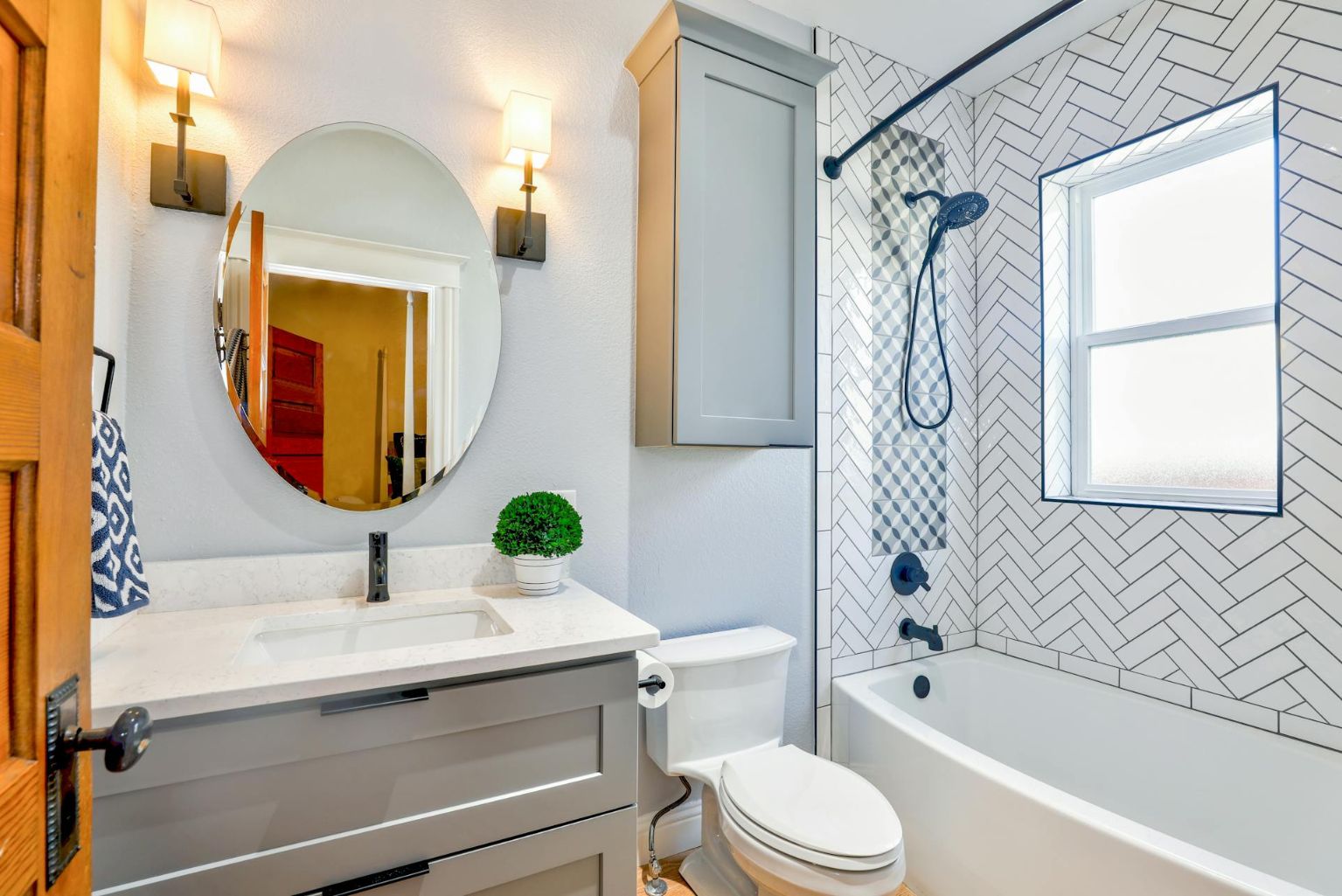
Portland’s charm comes from its older homes, tree-lined neighborhoods, and the classic Craftsman bungalows found across the city. But those same homes also come with one big challenge—Portland’s constant rain. When you’re remodeling a bathroom in an older house, managing moisture becomes just as important as choosing tile or fixtures. Without the right precautions, rain and damp air can seep into the structure, creating long-term issues that are expensive to fix later.
Here’s how homeowners and contractors can protect a Portland bungalow during a bathroom remodel, especially through the rainy season.
1. Seal the Home Before You Start Any Demolition
Older Portland homes often have gaps around windows, rooflines, and siding. Before opening up walls or removing old bathroom material, make sure the exterior envelope is intact. That means:
- Checking flashing and siding near the bathroom wall
- Replacing cracked caulking around windows
- Repairing any small roof leaks
- Covering vents or gaps temporarily during demo days
Doing this first prevents rain from slipping into exposed framing once walls come down.
2. Use Moisture Barriers Immediately After Walls Are Opened
Once drywall or plaster is removed, the interior framing is vulnerable. Portland’s humidity can creep in fast.
Install protective layers such as:
- Temporary plastic sheeting to block drafts
- Moisture-resistant insulation (instead of standard fiberglass)
- Vapor barriers rated for wet areas
- Cement board instead of drywall around tubs and showers
These materials aren’t just suggested—they’re essential for Portland’s wet climate.
3. Ventilate the Space Properly During Construction
Construction creates dust, trapped moisture, and temperature changes, which can all feed mold growth. Good airflow is key, especially in a small bathroom.
Contractors should use:
- A temporary exhaust fan vented outside, not into the attic
- Dehumidifiers running daily
- Air movers to keep the room dry, especially after tile work
This prevents moisture pockets from forming behind tile or under flooring.
4. Protect Portland’s Original Wood Framing
Many bungalows in Portland still have original 1920s or 1930s framing. These older studs can soak up moisture faster than newer lumber.
Extra protection can include:
- Applying mold-resistant primer to exposed framing
- Treating any existing surface mold immediately
- Using self-sealing waterproof membranes in high-risk areas (around tubs, shower pans, and exterior walls)
These small steps can add decades of life to older framing.
5. Plan Around Portland’s Weather Patterns
Bathroom remodels that include window replacements, exterior wall work, or roof penetrations should be timed carefully. Portland’s fall, winter, and early spring bring steady rain, and unexpected storms can delay or damage work.
Smart timing includes:
- Scheduling window and exterior work during a dry week
- Using weatherproof tarps and temporary roofing if the bathroom is on the upper floor
- Installing a temporary “rain tent” around exterior openings if long-term work is needed
Most experienced Portland contractors already build weather buffer days into their schedule.
6. Use the Right Waterproofing Systems
A remodel in Portland isn’t complete without strong waterproofing behind the walls—especially in the shower.
Essential systems include:
- Waterproofing membranes (RedGard, Schluter Kerdi, etc.)
- Properly sealed shower pans
- Fully taped and sealed seams
- Tile backer boards rated specifically for wet areas
Skipping any of these can lead to moisture damage that spreads into the rest of the bungalow.
7. Manage Humidity After the Remodel Is Complete
Even with the best construction practices, a bathroom is regularly exposed to moisture. After the remodel, homeowners should:
- Use a high-quality exhaust fan on a timer
- Seal grout annually
- Keep windows caulked and clean
- Wipe down shower walls after use
- Check for condensation near windows and vents
These habits help keep the newly remodeled bathroom—and the entire home—dry and healthy.
Final Thoughts
Bathroom remodels in Portland come with extra considerations because of the city’s wet climate and older housing stock. Protecting the home from moisture during construction isn’t just a safety step—it’s part of preserving the charm and durability of the city’s historic bungalows. With the right prep work, waterproofing materials, and weather-smart planning, a remodel can go smoothly and stay protected for years to come.