
Energy-Efficient Kitchen and Bath Design Trends for Rainy Season Living
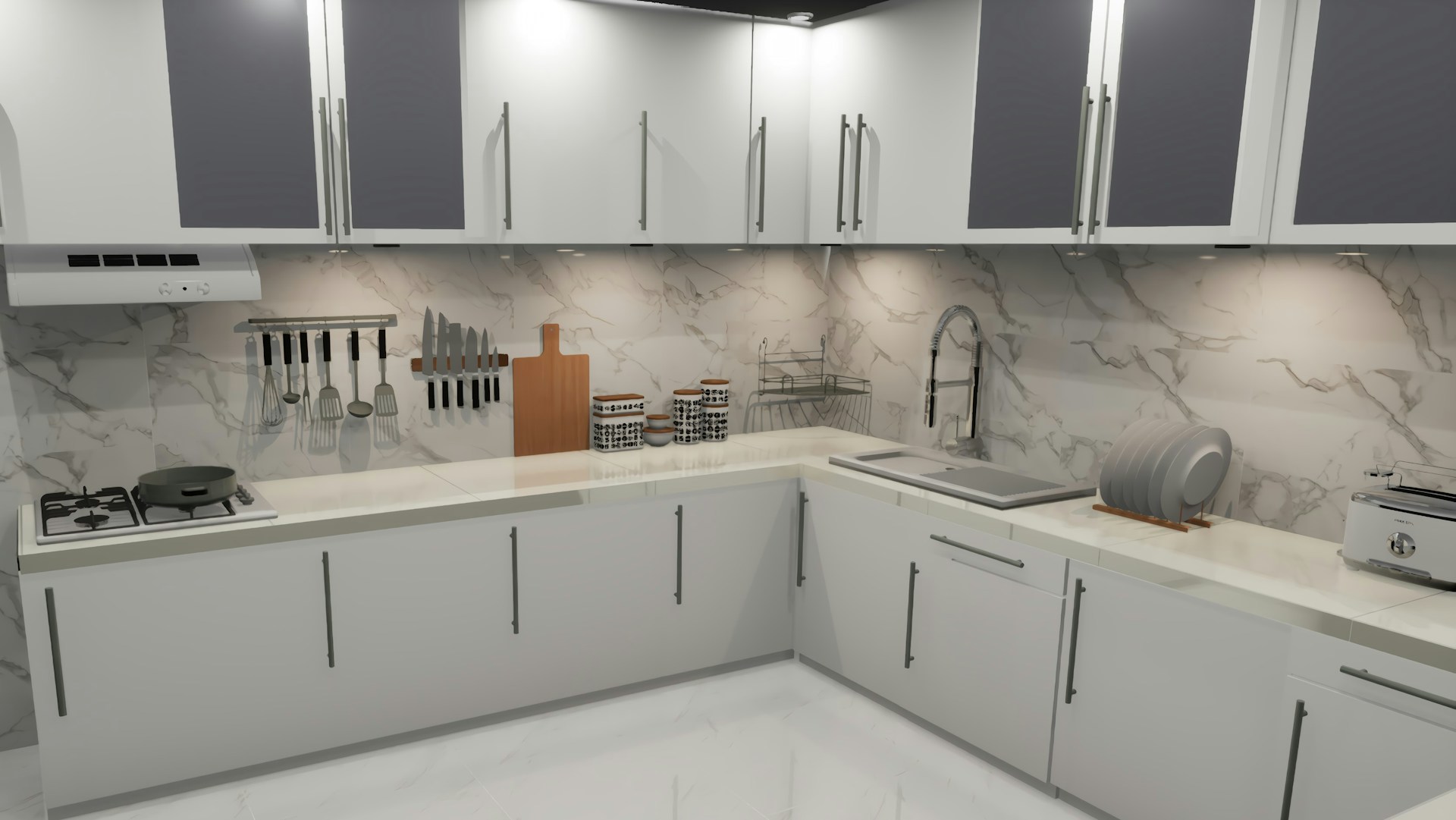
Living in the Pacific Northwest means navigating long, rainy seasons. For homeowners, this makes energy efficiency a priority — especially in kitchens and bathrooms, where water and heating use are high. Smart design choices can reduce energy costs, improve comfort, and create a more sustainable home. Here are some of the top trends for energy-efficient kitchens and bathrooms this season.
1. Low-Flow Fixtures and Faucets
Water conservation is both eco-friendly and cost-effective:
- Install low-flow faucets, showerheads, and toilets to reduce water use
- Aerated faucets maintain strong water pressure while conserving water
- Touchless or sensor-activated fixtures prevent unnecessary water waste
These small upgrades save money and support sustainable living during rainy months.
2. LED and Smart Lighting
Lighting is a big factor in energy efficiency:
- Switch to LED bulbs for long-lasting, energy-saving illumination
- Use dimmers or motion sensors in bathrooms and kitchens to control usage
- Incorporate natural light with skylights or larger windows to reduce daytime electricity needs
Smart lighting solutions reduce energy bills and create a cozy, well-lit space during gray, rainy days.
3. Energy-Efficient Appliances
Modern appliances consume less energy without sacrificing performance:
- ENERGY STAR-rated refrigerators, dishwashers, and ovens cut utility costs
- Smart appliances allow scheduling to optimize energy usage
- Induction cooktops offer faster heating and lower energy consumption than traditional electric or gas ranges
Efficient appliances are a long-term investment that pays off in both comfort and savings.
4. Proper Insulation and Ventilation
Energy efficiency is also about maintaining heat and controlling moisture:
- Upgrade insulation behind walls, ceilings, and floors to reduce heating needs
- Install proper ventilation to prevent dampness and mold, particularly in bathrooms
- Consider heat-recovery ventilation systems for consistent indoor climate control
These measures make homes more comfortable and reduce energy costs during the wet season.
5. Sustainable and Durable Materials
Selecting the right materials ensures longevity and efficiency:
- Water-resistant cabinetry and flooring for kitchens and bathrooms
- Low-VOC paints and finishes to improve indoor air quality
- Reclaimed or sustainably sourced wood for countertops, shelves, or cabinets
Durable, eco-friendly materials reduce waste, maintenance, and environmental impact.
6. Smart Water Heating Solutions
Hot water usage is a major energy expense:
- Tankless water heaters provide hot water on demand, saving energy
- Smart water heaters can schedule heating during off-peak hours
- Insulated pipes reduce heat loss and improve efficiency
These upgrades ensure warm, reliable water while minimizing unnecessary energy use.
Final Thoughts
For homeowners in rainy regions, energy-efficient kitchens and bathrooms aren’t just a trend — they’re a practical way to save money, stay comfortable, and reduce environmental impact. From low-flow fixtures and LED lighting to smart appliances, proper insulation, sustainable materials, and advanced water heating, there are many ways to make spaces more efficient this season.
By combining smart design choices with thoughtful planning, homes can remain cozy, functional, and energy-conscious — even during the wettest months of the year.